



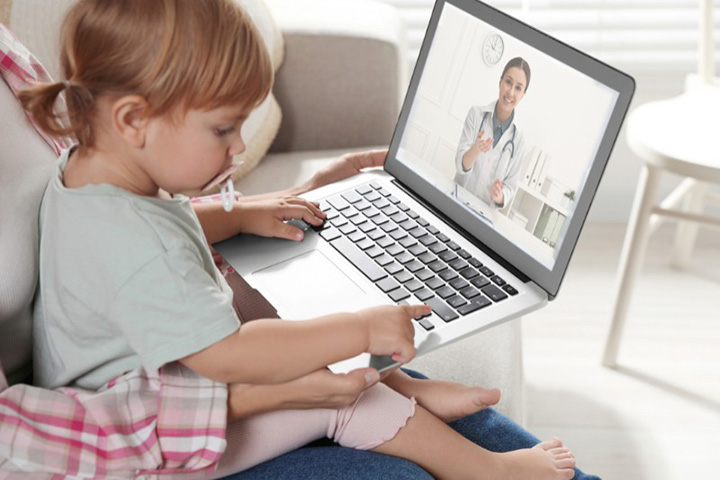
Have you ever closed out of a video call with your child’s pediatrician and wondered, “What am I supposed to do now?” You got through the appointment, answered the questions, described the symptoms, and now the screen is dark. But if you think the telehealth visit is finished the moment the call ends, there is actually quite a bit more that happens next, and knowing what to expect can make a real difference in how well your child recovers.
A pediatric telehealth visit is not just a phone call. It is a full medical appointment that comes with documentation, follow-up instructions, and ongoing expectations for both the provider and your family. Understanding what comes after the visit helps you stay connected to the care plan and gives you the tools to support your child more effectively in the hours and days that follow.
What Your Pediatrician Sends After the Visit

One of the first things parents notice after a virtual pediatric visit is that communication does not stop when the video ends. Within a short time after your appointment, your child’s primary care provider will typically send over several important pieces of documentation.
The After-Visit Summary
This is one of the most useful documents you will receive following a telehealth visit. The after-visit summary is a written recap of what was discussed during the appointment, including your child’s reported symptoms, any relevant history that came up, and the provider’s assessment. Think of it as a clear summary of the conversation so you do not have to rely on memory when following through on next steps.
The Pediatric Associates of Dallas care team works to make sure this information is clear, accurate, and accessible to every family after a virtual visit.
Care Instructions and Treatment Recommendations
Alongside the visit summary, you should expect to receive specific care instructions tailored to your child’s condition. These might include:
- Medication instructions with dosage guidance and how often to give it
- At-home care steps such as rest, hydration, or monitoring specific symptoms
- Information about when to call back or seek in-person care
- Return precautions, which are clear descriptions of warning signs that should prompt immediate action
If a prescription was sent to your pharmacy, it should be filled promptly, and the dosage instructions in your portal or visit notes should match what the pharmacist tells you. If there is ever a discrepancy, do not hesitate to reach out to the practice.
Referrals and Specialist Follow-Up
In some cases, your child’s provider may determine that a referral is needed. This could mean seeing a specialist for audiology concerns, a developmental evaluation, or another area of care. If a referral was part of your visit, you should receive documentation about it, including who is being contacted and what the next steps look like for scheduling.
How to Access Your After-Visit Notes

Most pediatric practices use a patient portal to deliver visit documentation securely. If you are not already set up on the portal used by Pediatric Associates of Dallas, getting access is a straightforward process and well worth the effort.
Why the Patient Portal Matters
The patient portal is where your child’s electronic health record lives. It is where you can review visit notes, access test results, read through treatment recommendations, and send a secure message to your provider if you have follow-up questions. Think of it as a personal health dashboard that helps you stay informed between appointments.
After a telehealth visit, logging into the portal within a day or two allows you to:
- Review the visit summary and catch anything you may have forgotten
- Read through care instructions without having to search your email
- Confirm prescription details and medication instructions
- Access any referral documentation or specialist information
If you have trouble accessing your portal or cannot find your visit notes, reaching out to the front desk at PAD is always an option. The team is there to help make sure you have everything you need.
What to Monitor After the Visit

Once you have your care instructions in hand, the next phase is active monitoring. This is where your role as a parent becomes especially important. Your observations at home are things a physician simply cannot see through a screen, and they carry real weight when it comes to your child’s recovery.
Tracking Symptoms in the First 24 to 48 Hours
The first two days after a virtual visit are often the most telling. Depending on what your child is being treated for, you may be watching for symptoms to stay the same, improve, or escalate. It helps to pay close attention during this window so you have accurate information if you need to contact your provider.
Some things to note as you monitor your child:
- Whether fever is going down or holding steady after medication
- Changes in appetite, energy level, or sleep patterns
- How frequently symptoms like coughing, congestion, or stomach discomfort are occurring
- Whether your child seems more comfortable or more distressed than they did at the time of the appointment
If anything shifts in a way that concerns you, that is useful information, not a reason to panic. Write it down or log it somewhere so you can describe it clearly when you follow up.
Recognizing Warning Signs That Need Immediate Attention
There are certain symptoms that should prompt you to seek care right away, even if the telehealth visit only just happened. Your care instructions will likely include return precautions specific to your child’s condition, but general warning signs that typically warrant urgent attention include:
- Difficulty breathing or rapid breathing
- A high fever that does not respond to medication
- Signs of dehydration such as no wet diapers, sunken eyes, or extreme lethargy
- Worsening symptoms rather than gradual improvement
- Any symptom that your gut tells you is outside the normal range
If you are ever unsure whether something qualifies as urgent, it is always okay to call the practice. Pediatric Associates of Dallas offers after-hours urgent care options specifically for situations like these, so you are not left without support outside of regular office hours.
Keeping a Simple Symptom Record Between Visits

One of the most effective things a parent can do between a telehealth appointment and a follow-up visit is keep a running note of how their child is doing. This does not have to be complicated. A simple symptom diary with dates, what you observed, and any changes you noticed is more than enough.
When you arrive at your follow-up appointment, either virtual or in-person, this kind of caregiver record gives your child’s provider a much clearer picture of how things progressed. It replaces vague statements like “she seemed better for a while, then worse” with specific, helpful information like “fever returned on day three, was 101.4, and lasted about six hours before breaking.”
A symptom tracker does not require an app or a special system. A notes app on your phone or even a piece of paper on the fridge works just fine.
What to Record
- Date and time of each symptom change
- Temperature readings if fever is involved
- Whether medication was given and how the child responded
- Sleep patterns and activity level
- Any new symptoms that were not present at the time of the visit
- Questions you want to remember to ask at the next appointment
Scheduled Follow-Up and Continuity of Care

Not every telehealth visit will result in a scheduled follow-up. Some situations are straightforward, and the care instructions are designed to carry your child through to full recovery without a second appointment. But when a recheck visit is recommended, taking it seriously matters.
Continuity of care is what allows your child’s primary care provider to build an accurate medical history and track patterns over time. When you attend follow-up appointments, whether virtual or in-person, and when you bring updates about how your child has been doing, you are actively contributing to better care.
If your child was referred to a specialist, staying on top of scheduling that appointment is part of the follow-through. The referral does not do its job if it sits in the portal without being acted on.
The team at Pediatric Associates of Dallas is there to support you through every step of this process, from the initial telehealth visit to any in-person care that follows. Virtual care is a starting point, not a replacement for the full relationship between a family and their pediatric team.
The Telehealth Experience Does Not End When the Call Does
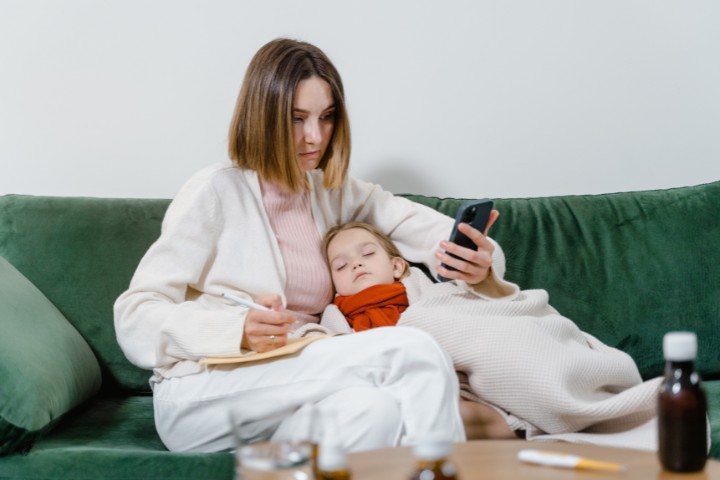
That video call was the beginning of the care process, not the whole thing. What happens in the hours and days after your child’s telehealth visit, checking your portal, reading through the visit notes, following the care instructions, watching for warning signs, and keeping track of how your child is doing, is every bit as important as the appointment itself.
You are not just a bystander waiting for your child to get better. You are part of the care team, and the observations you make at home are genuinely valuable. With the right information in front of you and a pediatric team you trust, you are in a much stronger position to help your child through whatever they are facing.
The Takeaway

A pediatric telehealth visit gives families access to quality care from home, but the visit itself is only one part of a larger process. Once the call ends, your child’s care plan is just getting started. From accessing your after-visit summary in the patient portal to monitoring symptoms and preparing for your follow-up appointment, staying engaged with the process makes a real difference.
If you have questions about your child’s telehealth visit, need help accessing your visit notes, or want to schedule a follow-up with one of our providers, the team at Pediatric Associates of Dallas is here to help. Visit our Dallas and Plano clinics, or access trusted primary care from home through telehealth.