




Has your child woken up with a fever, a rash, or a cough that sounds different than usual, and you find yourself searching online trying to figure out what is going on? You are not alone. Most parents have been there, scrolling through symptoms at midnight, trying to decide whether to wait it out or call the doctor.
The challenge is that many childhood illnesses share similar symptoms. A runny nose could be a cold, allergies, or something more serious. A rash might be completely harmless or a sign that your child needs to be seen right away. Knowing what to look for across the most common childhood illnesses gives you a stronger foundation, even when symptoms overlap.
This guide walks through 11 of the most frequently diagnosed childhood illnesses, breaking down the distinguishing symptoms of each so you can better recognize what your child may be experiencing, and know when it is time to call Pediatric Associates of Dallas.
Why Symptoms Can Look So Similar
Before diving into specific illnesses, it helps to understand why identifying them at home can be so difficult. Many viral and bacterial illnesses trigger the same immune response in a child’s body, producing fever, fatigue, and congestion regardless of the underlying cause.
Symptom overlap is especially common between RSV and a common cold in older children, influenza and a severe cold, strep throat and a regular viral sore throat. Infants and toddlers add another layer of complexity because they cannot tell you what hurts. You are left watching for behavioral cues: unusual fussiness, changes in feeding, disrupted sleep, or a cry that sounds different than normal.
This is not a reason to panic. It is simply a reason to know what to look for.
The 11 Most Common Childhood Illnesses
1. The Common Cold

The common cold is caused by a virus and is the most frequently occurring illness in childhood. Most kids will catch several colds per year, especially during the fall and winter months.
Key symptoms include:
- Runny or stuffy nose, often starting clear and turning thicker
- Mild sore throat
- Sneezing and congestion
- Low-grade fever, especially in younger children
- Mild cough
- General fatigue or crankiness
Colds typically resolve within 7 to 10 days with supportive care at home. If symptoms worsen after day 5 or persist beyond 10 days, a visit to Pediatric Associates of Dallas can rule out a secondary infection like sinusitis or an ear infection.
2. Influenza (the Flu)

Influenza hits harder and faster than a cold. While both involve respiratory symptoms, the flu tends to come on suddenly and with greater intensity.
Key symptoms include:
- Sudden onset of fever, often 102 to 104 degrees Fahrenheit
- Chills and body aches
- Headache
- Dry, persistent cough
- Sore throat
- Fatigue that can be significant
- Vomiting or diarrhea, more common in children than adults
The biggest distinction between influenza and the common cold is the speed and severity of onset. A child who was fine at breakfast and is miserable by lunch is more likely experiencing the flu. Annual flu shots, available through PAD, remain the best preventive tool.
3. Strep Throat

Strep throat is caused by a bacterial infection, which is an important distinction. Unlike most sore throats that are viral and resolve on their own, strep requires antibiotic treatment to prevent complications.
Key symptoms include:
- Sudden, severe sore throat
- Pain when swallowing
- Fever, often 101 degrees or higher
- Red, swollen tonsils, sometimes with white patches
- Swollen lymph nodes in the neck
- Stomach ache or vomiting in younger children
- Absence of cough (an important distinguishing detail)
A rapid strep test at Pediatric Associates of Dallas takes only a few minutes and confirms or rules out infection. Do not skip the visit if strep is suspected. Untreated strep can lead to rheumatic fever.
4. Ear Infections

Ear infections are one of the most common reasons parents bring children to a pediatrician. They often follow a cold when fluid trapped in the middle ear becomes infected.
Key symptoms include:
- Ear pain, which may be difficult to identify in infants (look for tugging or pulling at the ear)
- Fussiness and difficulty sleeping
- Fluid draining from the ear
- Muffled hearing or temporary hearing difficulty
- Fever
- Balance problems or unusual clumsiness
Infants under 6 months with a suspected ear infection should always be evaluated. Older children with mild symptoms may be monitored briefly, but pain that persists warrants a visit.
5. Croup

Croup is a respiratory illness most common in children under 5 that causes swelling around the vocal cords and windpipe. The hallmark symptom is unmistakable once you hear it.
Key symptoms include:
- A loud, barking cough that resembles a seal
- Hoarse voice
- Stridor, a high-pitched, squeaky sound when breathing in
- Symptoms that worsen at night
- Low to moderate fever
- Cold-like symptoms at onset
Mild croup can often be managed at home with cool night air or a cool-mist humidifier. However, if your child is struggling to breathe, has stridor at rest, or appears distressed, seek care immediately.
6. RSV (Respiratory Syncytial Virus)

RSV is a common respiratory virus that behaves very differently depending on the child’s age. In older children and adults, it typically resembles a cold. In infants, especially those under 6 months, it can become serious quickly.
Key symptoms in older children include:
- Runny nose and congestion
- Cough
- Mild fever
- Sore throat
Additional symptoms in infants that signal a more serious presentation:
- Rapid or labored breathing
- Flaring nostrils
- Chest retracting with each breath
- Wheezing
- Poor feeding or decreased wet diapers
- Unusual lethargy or blue-tinged lips
RSV bronchiolitis, the lower respiratory version seen in infants, is a leading cause of hospitalization in children under 1. If your infant is showing any breathing difficulty, call Pediatric Associates of Dallas right away or go to the emergency room.
7. Stomach Virus (Viral Gastroenteritis)

The stomach bug is a viral infection affecting the gastrointestinal system. It spreads easily among children through contact with contaminated surfaces or other sick kids.
Key symptoms include:
- Sudden onset vomiting
- Diarrhea, which may last several days
- Stomach cramps or pain
- Low-grade fever
- Loss of appetite
- Fatigue
The biggest concern with stomach viruses is dehydration. Watch for dry mouth, no tears when crying, dark urine, or lethargy. Infants and younger toddlers dehydrate faster than older children and should be evaluated if vomiting is persistent.
8. Roseola

Roseola is a common viral illness in infants and toddlers under 2. It has a distinctive pattern that can help parents identify it: high fever followed by a rash once the fever breaks.
Key symptoms include:
- Sudden high fever, sometimes reaching 103 to 105 degrees Fahrenheit
- Fever lasting 3 to 5 days with few other symptoms
- A pink or red rash appearing on the trunk once fever breaks
- The rash is not itchy and typically fades within a day or two
- Mild irritability or swollen lymph nodes behind the neck
The high fever in roseola can be alarming, especially because the child may not appear obviously ill between fever spikes. Call your pediatrician if the fever exceeds 104 degrees in a child under 2, or if a febrile seizure occurs.
9. Hand-Foot-and-Mouth Disease

Hand-foot-and-mouth disease is a highly contagious viral illness most common in children under 5. Despite the uncomfortable-sounding name, it is usually mild and resolves on its own within 7 to 10 days.
Key symptoms include:
- Fever and sore throat, often appearing first
- Painful sores or blisters inside the mouth, on the tongue, and gums
- A rash of flat or raised red spots on the palms of the hands and soles of the feet
- Blisters may also appear on the buttocks or legs
- Reduced appetite due to mouth pain
- Fussiness and drooling in younger children
There is no specific treatment for hand-foot-and-mouth disease, but keeping your child comfortable and well-hydrated is the priority. If your child refuses to drink due to mouth pain, contact PAD to discuss pain management options and watch for signs of dehydration.
10. Pink Eye (Conjunctivitis)

Pink eye is an inflammation or infection of the conjunctiva, the clear tissue covering the white of the eye. It can be caused by a virus, bacteria, or allergens, and the cause matters because treatment differs.
Key symptoms include:
- Redness in one or both eyes
- Watery, clear discharge that is more common with viral pink eye
- Thick, yellow or green discharge that is more common with bacterial pink eye
- Crusting around the eye in the morning
- Itching or burning sensation
- Sensitivity to light
Bacterial conjunctivitis often requires antibiotic eye drops, while viral pink eye clears on its own. Allergic pink eye responds to antihistamines. Because they look similar, having your child evaluated at Pediatric Associates of Dallas is the best way to get the right treatment and prevent the illness from spreading in the household.
11. Fifth Disease

Fifth disease gets its name from being fifth on a historical list of common childhood rash illnesses. It is caused by parvovirus B19 and is known for its distinctive facial appearance.
Key symptoms include:
- A bright red rash on both cheeks, sometimes called the slapped cheek rash
- A lacy, pink rash that may spread to the trunk, arms, and legs after a few days
- Mild fever and cold-like symptoms that appear before the rash
- Joint pain, more common in older children and adults
- Rash may come and go for several weeks, worsened by heat or sun exposure
By the time the rash appears, the child is usually no longer contagious. Fifth disease is generally mild in healthy children but can be more serious for those with weakened immune systems or certain blood disorders. If your child has a known condition and is exposed to fifth disease, contact Pediatric Associates of Dallas for guidance.
Warning Signs That Mean It Is Time to Call the Pediatrician
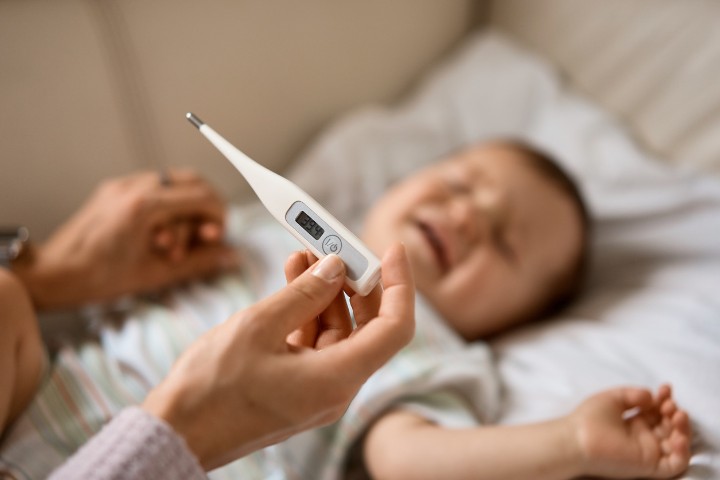
Home monitoring is appropriate for many mild childhood illnesses. But certain signs should prompt you to seek care sooner rather than later. Contact Pediatric Associates of Dallas or seek emergency care if your child shows any of the following:
- Fever of 100.4 or higher in infants under 3 months, any fever over 104 in older children
- Fever lasting more than 5 days without improvement, even with Tylenol or Ibuprofen
- Difficulty breathing, fast breathing, or chest retracting with each breath
- Lips, fingernails, or skin appearing blue or gray
- Severe rash that spreads quickly or is accompanied by fever
- Persistent vomiting that prevents the child from keeping fluids down
- Signs of dehydration: no tears, dry mouth, fewer than 1 wet diaper in 8 hours for infants
- Extreme lethargy or inability to wake the child normally
- A stiff neck, which can indicate meningitis
- A child who appears to be getting worse after an initial period of improvement
Trust your instincts as a parent. If something feels off, even if you cannot name exactly what it is, that feeling is reason enough to make a call.
How Symptoms Look Different by Age

One of the most important things to understand about childhood illness is that the same virus can present very differently depending on your child’s age.
Infants under 6 months may not be able to signal pain in obvious ways. Watch for changes in feeding, crying patterns, and activity level. Any illness in a newborn under 3 months should be evaluated promptly, as immature immune systems are less equipped to fight infection.
Toddlers can be difficult to assess because they may be irritable and clingy without being able to point to what hurts. They also tend to dehydrate more quickly than older children, making hydration a constant watch point.
Older children can usually describe symptoms, which makes assessment easier, but they may also minimize or exaggerate how they feel. A child who says their throat hurts a little might have significant tonsil swelling. Using a flashlight to look at the throat, checking for swollen lymph nodes, and watching energy levels all add useful context.
The Takeaway
No parent is expected to diagnose their child at home. What matters is having a baseline understanding of what different illnesses look like so you can recognize patterns, identify red flags, and make informed decisions about when to monitor and when to seek care.
Childhood illnesses are a normal part of growing up, and most resolve with time and supportive care. But when you are unsure, a quick call or visit to your pediatrician is always the right move. The goal is never to alarm you. It is to help you stay one step ahead so your child gets the care they need as quickly as possible.

If your child is showing symptoms and you are not sure what to do next, the team at Pediatric Associates of Dallas is here to help. Whether you need a same-day sick visit, a telehealth appointment, or just guidance on what to watch for at home, PAD is ready to support your family. Visit our Dallas or Plano offices or reach out to our care team today.