




Has your child started sneezing constantly or coughing more during outdoor play now that spring has arrived in Dallas? Many North Texas families notice these symptoms every year as pollen levels rise. Spring can bring beautiful weather and blooming trees, but it also triggers a surge in spring allergy symptoms that affect thousands of children across the region. Persistent sneezing, congestion, itchy eyes, and coughing are common signs that pollen may be affecting your child’s respiratory system.
Understanding how Dallas allergy season works, which pollens dominate the region, and how allergies can interact with asthma can help parents manage symptoms more confidently. This guide explains how spring pollen affects children in North Texas, how to distinguish allergies from common illnesses, and what practical steps families can take to keep kids comfortable and active throughout the season.
Why Spring Allergy Season Hits Dallas Kids So Hard
North Texas is known for intense pollen seasons. Local climate conditions allow certain trees and grasses to release large amounts of pollen into the air, making the region one of the most challenging places in the country for seasonal allergies.
The main contributors to spring pollen counts in Dallas include:
- Mountain cedar pollen, which often begins affecting sensitive children even before spring arrives
- Oak pollen peaks, which usually occur in early to mid-spring
- Grass pollen season, which often extends from late spring into early summer
These North Texas pollen patterns create a long window when children with sensitive airways may develop symptoms. Even kids who have never had allergies before can suddenly develop reactions when pollen exposure becomes intense.
Because of these environmental factors, spring tree pollen and grass pollen can irritate the nose, throat, and lungs, triggering symptoms that resemble a cold or respiratory infection.
Common Spring Allergy Symptoms in Children
When pollen levels increase, many children develop classic allergy symptoms. Parents often notice patterns that worsen on high pollen days or after outdoor activities.
Typical symptoms include:
- Persistent sneezing in kids
- Childhood nasal congestion
- Runny nose or clear mucus
- Itchy or watery eyes
- Postnasal drip in children
- Sinus pressure in kids
- Mild fatigue or irritability
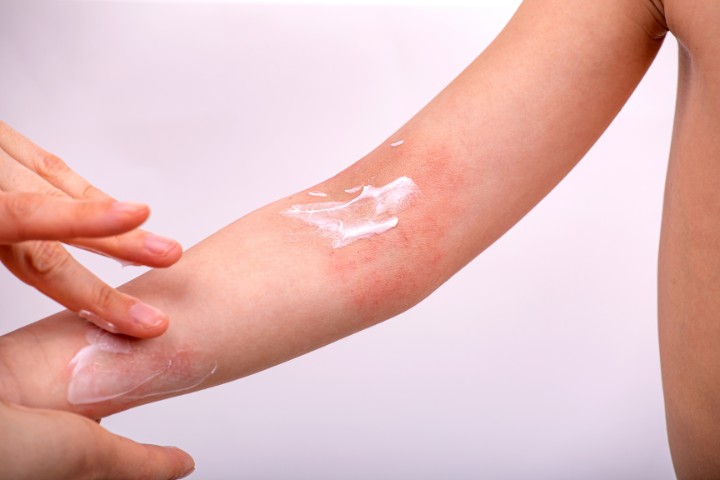
Some children also develop skin reactions such as atopic dermatitis flare-ups, since pollen can aggravate eczema in sensitive children.
While these symptoms can be uncomfortable, they are usually manageable with proper care and monitoring.
When Spring Allergies Trigger Asthma Symptoms

For children with asthma, pollen exposure can cause pediatric asthma flares. Inflammation in the airways can make breathing more difficult and increase coughing or wheezing.
Common childhood asthma triggers during allergy season include:
- Tree pollen
- Grass pollen
- Outdoor mold spores
- Sudden weather changes
Signs that allergies may be affecting asthma include:
- Nighttime cough in children
- Wheezing during play
- Shortness of breath during activity
- Increased need for an asthma rescue inhaler
Because asthma symptoms can escalate quickly, it is important for families to have a clear allergy action plan and know how to respond.
Allergy Symptoms vs Colds or Flu

Many parents struggle to distinguish between seasonal allergies and illnesses such as colds or flu. The symptoms can overlap, but there are important differences.
Allergy vs cold symptoms often differ in duration and pattern. Allergy symptoms typically last for weeks while pollen remains high, whereas colds usually resolve within 7 to 10 days.
Clues that suggest allergies include:
- Clear nasal drainage rather than thick mucus
- Frequent sneezing
- Itchy nose or eyes
- Symptoms worsening outdoors
Cold or viral respiratory illness symptoms often include fever, body aches, and fatigue that allergies usually do not cause.
Recognizing pollen vs flu signs helps parents decide when home care is appropriate and when a medical visit is needed.
Monitoring Dallas Pollen Levels

Tracking pollen levels can help families anticipate symptom flare-ups. Many weather services and health websites provide a Dallas pollen tracker that shows daily pollen levels.
Parents can also check the local pollen forecast to plan activities and manage exposure.
On high pollen days, children may experience stronger symptoms even if they have mild allergies most of the year.
Practical Tips for High Pollen Days

Reducing pollen exposure can make a significant difference for children with allergies.
Helpful high pollen day tips include:
- Shower after outdoor play to remove pollen from skin and hair
- Keep windows closed during peak pollen hours
- Change clothes after spending time outside
- Use HEPA air filters in bedrooms
- Vacuum regularly with a vacuum with HEPA filter
- Wash bedding frequently to remove pollen buildup
These simple steps help create effective indoor allergen control and reduce daily exposure.
Home Strategies to Help Kids Breathe Easier

In addition to limiting exposure, several supportive strategies can relieve symptoms.
Common home approaches include:
- Nasal saline rinses to clear pollen from nasal passages
- Humidifier for congestion if indoor air becomes too dry
- Steam for nasal relief during showers or baths
- Maintaining good hydration for allergy relief
- Elevating the head during sleep to ease congestion
Parents should also monitor indoor triggers, such as pet dander reduction and mold prevention at home, which can worsen seasonal allergies.
Age Appropriate Allergy Medications

For children with moderate or severe symptoms, pediatricians may recommend age-appropriate allergy meds. These treatments can reduce inflammation and improve comfort during the peak season.
Common options include:
- Safe OTC antihistamines for sneezing and itching
- Fluticasone nasal spray to reduce nasal inflammation
- Allergy eye drops for itchy or watery eyes
Parents should always consult their child’s healthcare provider before starting new medications to ensure correct dosing and safety.
Managing Asthma During Allergy Season

Children with asthma may need additional support during the spring.
Key strategies include:
- Reviewing the pediatric inhaler technique with your child
- Using a spacer device inhaler to improve medication delivery
- Keeping an albuterol rescue dosing plan available
- Monitoring symptoms with an asthma peak flow meter is recommended
Some children may also require daily controller meds or medications such as montelukast for kids during peak pollen months.
A clear school nurse action plan ensures teachers and school staff know how to respond if symptoms occur during the school day.
When to Call the Pediatrician

Although many allergy symptoms can be managed at home, some situations require medical attention.
Parents should consider a same-day sick visit if their child has:
- Persistent cough that interferes with sleep
- Symptoms that do not improve with medication
- Frequent wheezing or chest tightness
- Severe sinus pressure or headaches
Early evaluation can help prevent complications and reduce the need for urgent care visits.
Warning Signs That Should Never Be Ignored

Certain symptoms may indicate a serious asthma flare or respiratory issue.
Seek immediate medical care if your child experiences:
- Breathing difficulty
- Rapid breathing or chest retractions
- Trouble speaking due to shortness of breath
- Lips or face turning bluish
Recognizing these warning signs of asthma early can help prevent ER asthma visits and keep children safe.
Supporting Your Child at School and Activities

Allergy management should extend beyond the home. Schools and sports activities can expose children to pollen and other triggers.
Parents can support their child by:
- Sharing their school allergy management plan with teachers
- Providing inhalers or medications if prescribed
- Discussing sports allergy precautions with coaches
- Encouraging breaks during outdoor play on pollen days
These steps help children stay active while minimizing discomfort.
Tracking Symptoms and Triggers

Keeping a record of symptoms can help identify patterns and guide treatment decisions.
Parents can maintain a simple symptom tracking log or allergy trigger journal that includes:
- Daily pollen levels
- Outdoor activities
- Medications used
- Symptom severity
This information can be helpful when discussing concerns with your child’s pediatrician.
Questions to Ask Your Pediatrician

During a visit, parents may want to discuss:
- Which medications are best for my child’s symptoms?
- Does my child need an allergy action plan?
- When should we see a pediatric allergist?
- Should we monitor lung function with a peak flow meter?
- How can we prevent future asthma flare-ups?
These pediatrician allergy questions help families create a personalized management plan.
Moving Through Allergy Season with Confidence

Spring in Dallas can be beautiful, but it also brings one of the most intense pollen seasons in the country. Understanding spring allergy patterns, recognizing symptoms early, and following simple prevention strategies can make a significant difference for children.
With the right preparation, families can reduce exposure, manage symptoms effectively, and help kids stay comfortable throughout the season. Tracking pollen levels, maintaining an allergy action plan, and working closely with your child’s healthcare provider all contribute to better respiratory health.
If your child’s allergy or asthma symptoms are becoming difficult to manage or you have concerns about persistent sneezing, cough, or breathing changes, scheduling a visit with a pediatric provider can help identify the best treatment approach.
To learn more about pediatric care and seasonal allergy support, visit Pediatric Associates of Dallas at its clinic in Dallas or Plano.