



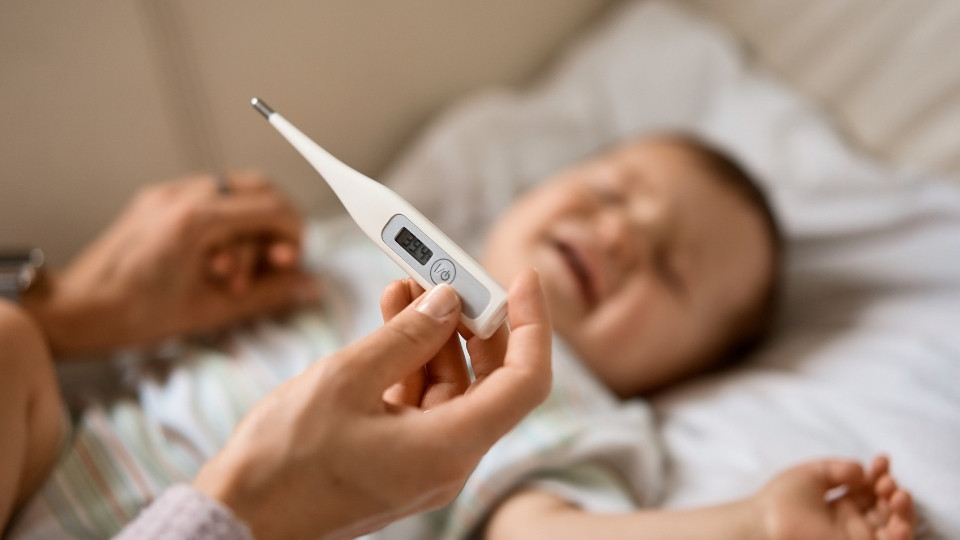
Have you just touched your baby’s forehead and felt that unmistakable warmth, and now your heart is racing wondering what to do next? You are not alone. Baby fever is one of the most common concerns for new parents, especially during those early months when everything about caring for a newborn feels brand new. The good news is that understanding what a true fever means, how to measure it accurately, and when to act can make a world of difference, both for your baby and for your own peace of mind.
What Is Baby Fever and How Do Pediatricians Define It
Not every warm forehead is a fever, and that is an important place to start. Normal body temperature in infants typically falls around 98.6°F, though it can vary slightly depending on the time of day and how the measurement is taken. Pediatricians define a true fever in infants as a rectal temperature of 100.4°F (38°C) or higher. That number matters because it is the threshold most medical guidelines use to decide whether an infant may need further evaluation.
It is worth knowing that baby temperature naturally fluctuates throughout the day. A reading that seems slightly elevated right after a bath, after being bundled in a car seat, or right after feeding may not represent a true fever at all. That is why getting an accurate temperature check using the right method is so important before making any decisions.
How to Measure Your Baby’s Temperature Accurately

The method you choose for taking your baby’s temperature matters a great deal, especially in the first few months of life.
The Most Reliable Method for Infants
For babies under three months of age, a rectal temperature is considered the most accurate and reliable method by the American Academy of Pediatrics. A digital thermometer designed for rectal use gives you the clearest temperature reading and is worth having on hand from the very beginning.
Here is a simple overview of how different thermometer methods compare:
- Rectal thermometer: Most accurate for infants, especially newborns and young babies under three months
- Armpit (axillary) reading: Less reliable for very young infants, but sometimes used as a screening method
- Ear or forehead thermometers: More convenient for older infants and toddlers, but less precise for newborns
- Pacifier thermometers: Not recommended for accurate temperature monitoring in infants
When you are caring for a newborn younger than three months, always confirm a suspected fever with a rectal thermometer before calling your pediatrician. That single accurate temperature reading helps your care team respond with the right guidance quickly.
Age-Specific Fever Guidance for Babies
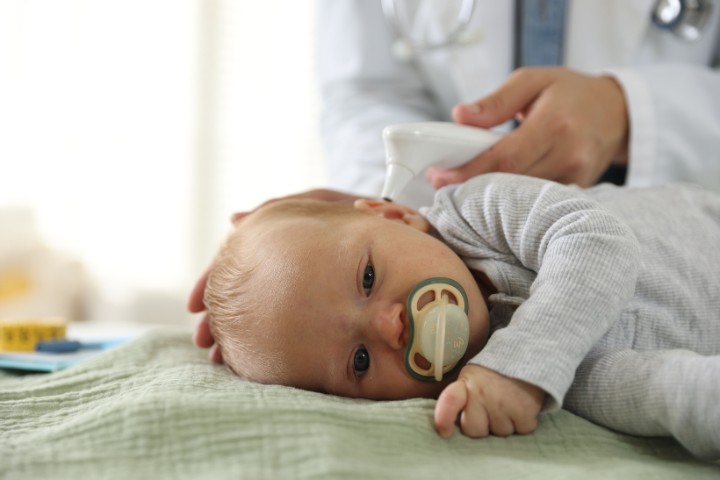
One of the most important things to understand about infant fever is that age changes everything. The same temperature reading can carry very different implications depending on how old your baby is.
Fever in Newborns Younger Than 28 Days
A rectal temperature of 100.4°F (38°C) or higher in a newborn younger than 28 days old is always considered a medical emergency. Newborns have immature immune systems, which means their bodies cannot fight infections the same way older babies and children can. At this age, even a low-grade fever can sometimes indicate a serious bacterial infection that requires prompt evaluation, blood tests, a urine test, and possible hospitalization. If your newborn has a fever, do not wait. Go to the emergency room immediately.
Fever in Infants Between 8 and 60 Days Old
Infants in this age range who develop a fever of 100.4°F (38°C) or higher also need same-day medical evaluation, often in an emergency setting. The team at Pediatric Associates of Dallas takes fever in this age group very seriously because the risk of a serious bacterial infection, including a urinary tract infection or pneumonia, is still elevated. Your pediatrician may recommend blood tests and a urine test to help determine the source of fever and guide treatment.
Fever in Babies Older Than Two to Three Months
Once a baby is past the two to three month mark, a fever of 100.4°F (38°C) or higher is still worth paying attention to, but the approach becomes more nuanced. Pediatricians will look at the overall picture, including how your baby looks, whether they are eating and responding normally, and how high the temperature climbs. Age-specific fever guidance from your care team is always the best resource here.
Common Causes of Fever in Infants
There are many possible reasons a baby may develop a fever, and it is important to remember that no single answer fits every situation. Some of the most frequently seen causes include:
- Viral infection: Respiratory viruses, colds, and similar illnesses are among the most common causes of fever in infants
- Bacterial infection: Less common but more serious, these may include urinary tract infections, ear infections, or pneumonia
- Post-vaccination fever: Some infants develop a low-grade fever in the day or two following vaccines, which is a normal immune response and typically mild
- Fever without a clear source: In some cases, especially in younger infants, a source of fever is not immediately obvious, which is one reason medical evaluation is so important in very young babies
When parents come to Pediatric Associates of Dallas with a feverish infant, the goal is always to piece together the full picture rather than jump to conclusions. Symptoms of illness, how the baby is acting, and the temperature reading together help guide the next steps.
Home Care Steps When Your Baby Has a Fever
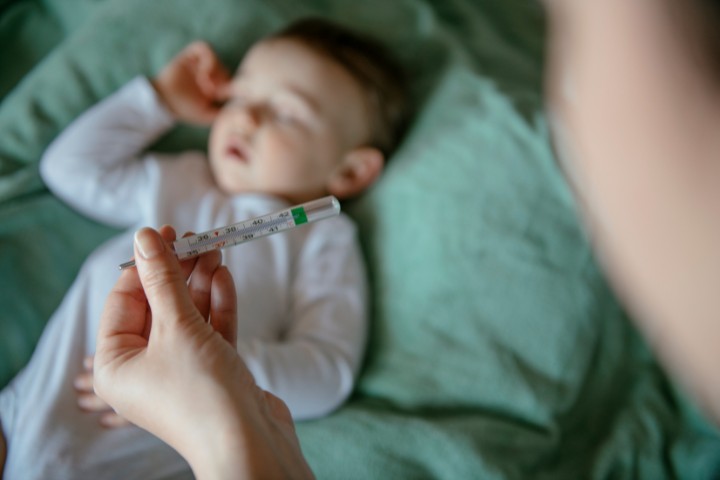
If your baby is older than two to three months, does not have a temperature in the emergency range for their age, and appears to be acting reasonably normal, there are several home care measures that can help them stay comfortable while you monitor the situation.
Keep Your Baby Hydrated
Hydration is one of the most important parts of home care during a fever. Breast milk or formula should be offered frequently. Fever increases fluid loss, and keeping your baby well-hydrated supports their immune response and helps prevent dehydration.
Monitor Symptoms Carefully
Temperature monitoring should be ongoing when a baby has a fever. Keep track of how high the temperature rises, how long the fever has lasted, and any other symptoms of illness that appear, such as difficulty breathing, changes in feeding, unusual fussiness, or a new rash.
Comfort Measures
Light clothing, a cool and comfortable room, and gentle holding can all help a feverish baby feel better. Avoid overdressing or over-bundling, which can trap heat and make it harder for the body to regulate temperature.
Fever Reducers: What to Know
Acetaminophen may be appropriate for infants older than two months when fever is causing discomfort, based on age- and weight-based dosing guidelines. Ibuprofen is generally not recommended for infants younger than six months. Always follow pediatrician guidance on dosing before giving any medication to an infant. The team at Pediatric Associates of Dallas is happy to walk you through what is appropriate for your baby’s specific age and weight.
Warning Signs That Need Immediate Medical Attention

Knowing when to manage a fever at home versus when to call the pediatrician or head to the emergency department is one of the most valuable things a new parent can learn. Seek immediate medical attention if your baby shows any of the following:
- A fever of 100.4°F (38°C) or higher in a newborn younger than 28 days old
- A fever of 100.4°F (38°C) or higher in an infant 8 to 60 days old
- Poor arousability, meaning your baby is unusually difficult to wake or is limp and unresponsive
- Increased respiratory effort, such as labored breathing, flaring nostrils, or ribs showing with each breath
- Signs of dehydration, including a dry mouth, fewer wet diapers, or sunken eyes
- A petechial rash, which looks like small red or purple spots that do not fade when pressed
- A stiff neck or signs that the baby is in significant pain when moving
- An unusually high temperature that continues to rise despite home care
- Any fever in a baby who is ill-appearing, regardless of the exact number on the thermometer
When in doubt, always call your pediatrician. That is exactly what the team at Pediatric Associates of Dallas is there for. A quick call can help you figure out whether your baby needs to be seen right away or whether rest and observation at home is the right path.
The Takeaway
Fever in babies is one of the most common concerns for new parents, and it makes complete sense to feel worried when your little one is not feeling well. What you now know is that a true fever is defined as a rectal temperature of 100.4°F (38°C) or higher, that age plays a major role in how seriously a fever needs to be treated, and that accurate temperature monitoring with the right thermometer is the foundation of any good decision.
Most fevers in older infants are caused by viral infections and resolve with hydration, comfort measures, and careful symptom monitoring at home. But certain situations, especially fever in a newborn or infant under two months, or fever paired with serious warning signs, always require immediate medical evaluation.

You do not have to navigate this alone. If your baby has a fever and you are unsure what to do, the care team at Pediatric Associates of Dallas is here to help you every step of the way. Visit us in our clinic in Dallas or Plano to learn more about our services or to connect with a pediatrician who can guide you with confidence and compassion.