



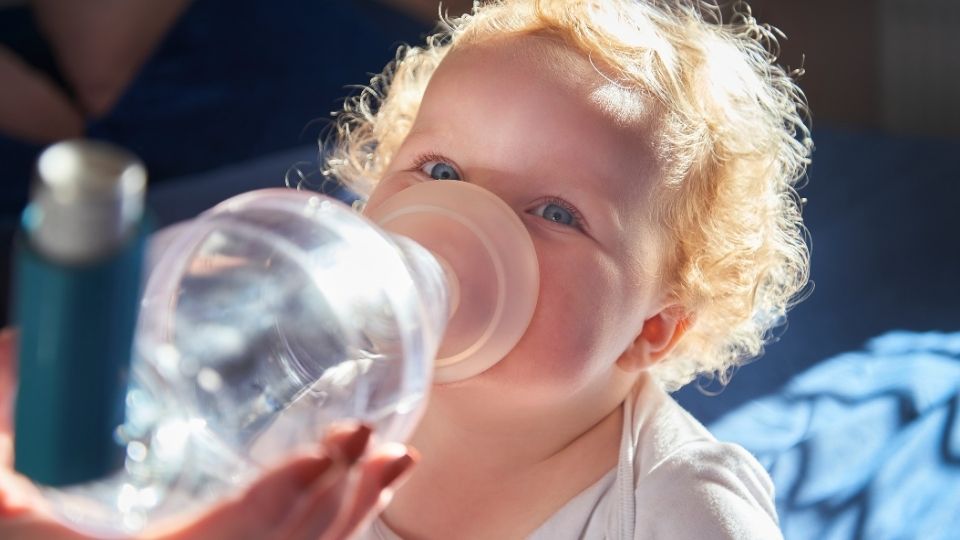
Have you noticed your child coughing at night more than usual, or struggling to catch their breath after a quick round of tag in the backyard? Maybe it’s a wheeze you only hear when they’re falling asleep, or a cold that just won’t fully clear up. If you’ve found yourself Googling these symptoms at midnight, you’re not alone. Asthma is one of the most common chronic conditions in children, and most parents have no idea what to look for until they’re already worried.
The good news is that childhood asthma is very manageable once you know the signs and understand why it develops. This guide walks through the full range of symptoms, the causes and risk factors pediatricians look for, and when it’s time to stop watching and start asking for help.
What Does Asthma Look Like in Kids?

Asthma happens when the airways in the lungs become inflamed and narrowed, making it harder for air to move in and out. In children, this doesn’t always look dramatic. Sometimes it looks like a cough that won’t quit. Sometimes it looks like a kid who used to run circles around their friends and now needs to sit down halfway through recess.
Here are the symptoms that show up most often.
A Persistent or Recurring Cough
This is usually the first thing parents notice, and it’s also the easiest to dismiss as “just a cold.” Asthma-related coughing tends to have a pattern. It often gets worse at night or early in the morning, flares up during or after exercise, shows up with a viral illness like a cold or flu, or gets triggered by cold air. If your child’s cough seems to come and go with these specific circumstances rather than following the normal course of a cold, that pattern is worth paying attention to.
Wheezing or a Whistling Sound
Wheezing is one of the more recognizable asthma symptoms. It’s a high-pitched, whistling sound that usually happens when your child breathes out, caused by air squeezing through narrowed airways. Not every child with asthma wheezes audibly, and not every wheeze means asthma, but it’s a sign that deserves a conversation with your pediatrician.
Shortness of Breath and Rapid or Labored Breathing
You might notice your child breathing faster than normal, or working harder than usual just to breathe, even at rest. This can be subtle at first, especially in younger children who can’t tell you something feels wrong.
Chest Tightness, Discomfort, or Pain
Older kids may describe this as their chest feeling “tight” or like something is sitting on it. Younger children often can’t put this feeling into words, so instead they may rub their chest, seem unusually fussy, or avoid activities without explaining why.
Reduced Stamina During Play or Sports
If your child used to keep up with friends during play or sports and now seems to tire out faster, gets short of breath sooner, or asks to sit out more often, this is a common but easy to miss sign. Parents sometimes chalk this up to a child being “less athletic,” when it’s actually their airways struggling to keep up with activity.
Fatigue and Trouble Sleeping
Asthma symptoms often intensify at night, which means coughing, wheezing, or shortness of breath can interrupt sleep. That poor sleep then shows up the next day as fatigue, crankiness, or trouble focusing. If your child seems tired all the time and you can’t quite pinpoint why, disrupted sleep from nighttime symptoms could be the missing piece.
Frequent Respiratory Infections or Slow Recovery
Kids with asthma often catch colds and bronchitis more frequently than other children, and when they do get sick, it tends to take longer to bounce back. If it feels like your child is “always sick” or takes weeks to fully recover from something that should clear up in days, that’s worth mentioning at their next visit.
When Symptoms Become Urgent
In more pronounced episodes, you may notice the skin around your child’s ribs or neck pulling in tightly with each breath. This is called retraction, and it’s a sign that your child is working very hard to breathe. This is not a symptom to watch and wait on. It calls for urgent medical attention right away.
Why Asthma Is Hard to Spot in Young Children

Most asthma cases first appear in early childhood, but diagnosing it in kids younger than five can be genuinely tricky. Young children can’t always describe what they’re feeling, and asthma symptoms overlap heavily with common colds, RSV, and bronchitis, all of which are also frequent in this age group. A cough that lingers after a cold, or wheezing that shows up every time your toddler gets sick, can easily be mistaken for “just being a kid who catches everything.” This is exactly why patterns matter more than any single episode. If you’re noticing the same symptoms show up again and again under similar circumstances, that repetition is meaningful information for your pediatrician.
What Causes Asthma in Children?
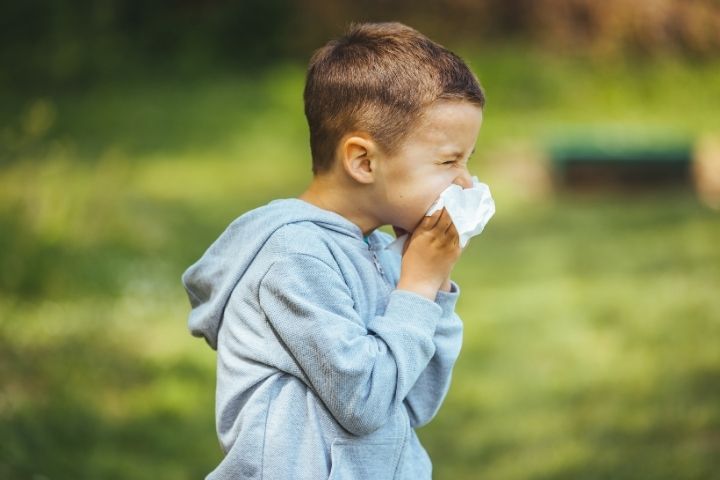
There isn’t one single cause of childhood asthma. Instead, it tends to develop from a combination of genetic and environmental factors. Understanding these can help you recognize your child’s risk level and know which factors you can influence and which ones you can’t.
Family and Personal Health History
- A family history of asthma or allergies significantly raises a child’s risk.
- A personal history of allergic conditions such as eczema, food allergies, or hay fever (allergic rhinitis) is one of the strongest predictors of childhood asthma.
Allergen Exposure
Everyday exposure to allergens like dust mites, pet dander, pollen, and mold can trigger or worsen asthma symptoms in a child who is already prone to airway inflammation.
Smoke and Air Quality
- Exposure to tobacco smoke before birth, or secondhand smoke and vaping exposure after birth, is one of the most preventable risk factors for childhood asthma.
- Exposure to air pollution or living near high-traffic roadways has also been linked to higher asthma rates in children, which is a relevant consideration for families in busier parts of Dallas and the surrounding areas.
Early Respiratory Infections
Colds and RSV infections in infancy and early childhood are associated with a higher likelihood of developing asthma later on.
Weight and Digestive Health
- Being overweight or obese is a recognized risk factor for childhood asthma.
- Gastroesophageal reflux (GERD) has also been connected to asthma symptoms, since stomach acid can irritate the airways.
Chronic Respiratory Conditions
Kids with frequent sinus congestion or a history of pneumonia may be more likely to develop asthma, since repeated respiratory inflammation can affect how the airways function over time.
Sex Differences
Asthma is more common in boys during childhood, though interestingly, this pattern reverses in adulthood, when asthma becomes more common in women.
Racial and Socioeconomic Disparities
The CDC has documented that Black, Hispanic, Puerto Rican, and Native American or Alaska Native children are diagnosed with asthma at higher rates than other groups. Researchers attribute this to a mix of genetic factors and structural factors, including housing conditions, pollution exposure, and access to healthcare, rather than any single cause. Recognizing this helps families and providers understand that asthma risk isn’t just about individual choices; it’s also shaped by the environment a child grows up in.
Household and Indoor Environmental Exposures
Beyond the standard allergen list, pediatric guidance points to several indoor factors that quietly contribute to asthma risk:
- Pest allergens, particularly from cockroaches
- Household chemical irritants from cleaning products and other sources
- Indoor air quality issues, such as inadequate kitchen ventilation around gas stoves
These are often overlooked because they’re so ordinary, but they’re also some of the more manageable risk factors once a family knows to address them.
The Connection Between Allergies and Asthma

If you’ve noticed how often allergies show up on this list, that’s not a coincidence. Most children with asthma also have allergies, and allergic asthma, where symptoms are triggered or worsened by allergen exposure, is the most common form of asthma in children. This is part of why managing allergies through allergy management strategies often plays such a central role in managing a child’s asthma overall. Understanding this connection can help you see the bigger picture instead of treating each symptom or diagnosis as a separate issue.
What This Means for Your Child
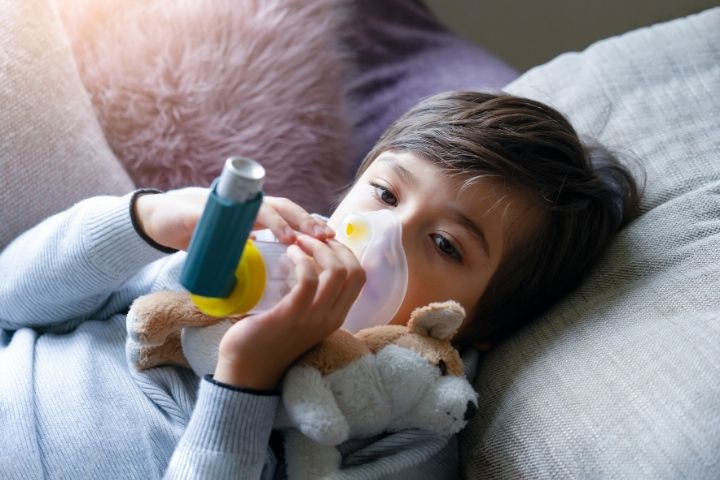
If you’re reading through this list and recognizing your own child, take a breath. Most childhood asthma is very manageable with the right diagnosis and care plan. The key is not waiting until symptoms become severe before reaching out.
Some risk factors, like family history or being male, aren’t within your control. Others, like reducing smoke exposure, managing indoor air quality, or keeping up with allergy care, are things you can actively work on. And some, like local air pollution or environmental disparities, are bigger than any one family, but knowing about them still helps you advocate for your child’s care.
The Takeaway
Persistent or recurring symptoms, whether it’s a nighttime cough, wheezing, shortness of breath, or a child who seems to run out of steam faster than their friends, deserve an evaluation rather than a wait-and-see approach. Pulmonary function testing can help your pediatrician get a clear, objective picture of how your child’s lungs are working, which makes it easier to confirm a diagnosis and build the right treatment plan from the start.

If your child is showing any of these symptoms, or if you’re simply unsure whether what you’re seeing is normal, the pediatric team at Pediatric Associates of Dallas is here to help. From pulmonary function testing to ongoing asthma management, PAD can guide you through what to watch for, what it means, and what comes next. Schedule a visit at our clinics in Plano or Dallas so you can trade the late-night Googling for a real answer.