



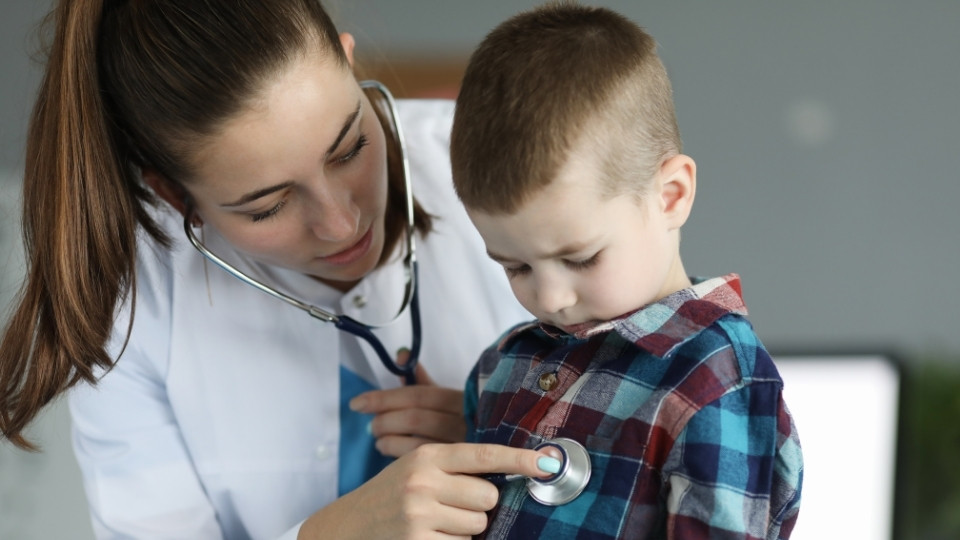
Have you ever wondered if your child needs to see a pediatrician today or if it can wait until the next routine visit? For many parents, knowing when to visit a children’s medical clinic can feel confusing, especially when symptoms appear suddenly or after normal office hours. Understanding what a pediatric clinic treats and when to go can help families make confident decisions about their child’s health and well-being.
A trusted child health clinic is more than a place for checkups. It is a central hub for preventive care, illness treatment, developmental monitoring, and long-term support for growing children. From newborn visits to adolescent care, a kids doctor helps guide families through every stage of development.
This guide explains what a children’s medical clinic treats, when to schedule a visit, and how to decide between routine care, urgent care, and emergency services.
What a Children’s Medical Clinic Treats
A modern pediatric clinic offers comprehensive pediatric primary care for infants, toddlers, school-age children, and teens. Families rely on these clinics for both everyday concerns and long-term health management.
Common services include:
- Preventive care and wellness visits
- Treatment for common childhood illnesses
- Chronic condition management
- Minor injury care
- Developmental and behavioral evaluations
- Vaccinations and screenings
- Parent education and guidance
A family pediatric practice is designed to support children as they grow, offering continuity of care from the first newborn checkup through adolescence.
Preventive Care and Routine Visits
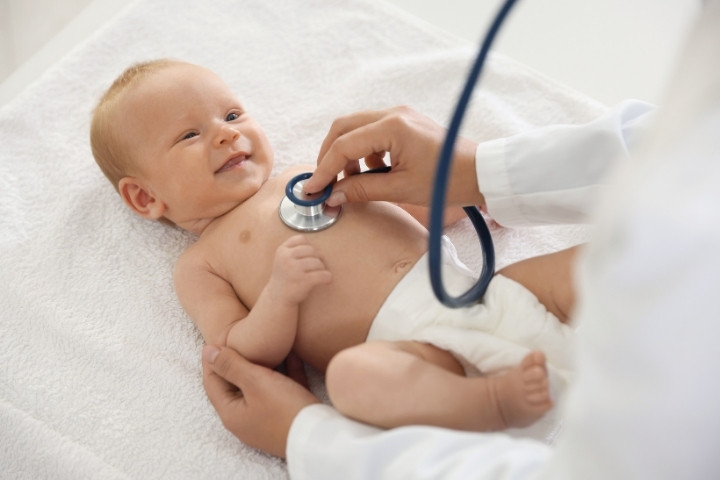
Preventive care is a major focus of any children’s medical clinic. Regular visits allow providers to monitor growth, development, and overall health while addressing concerns early.
Well Child Visits and Checkups
A well-child visit or routine pediatric checkup helps ensure children are developing properly. During these visits, a board-certified pediatrician or pediatric nurse practitioner will:
- Track growth chart progress
- Monitor developmental milestones
- Provide childhood immunizations
- Offer nutrition and sleep guidance
- Address behavioral or learning concerns
Infants and young children typically have more frequent visits. A newborn checkup and infant well visit focus on feeding, weight gain, and early development, while a toddler health check monitors speech, movement, and social skills.
Older children and teens benefit from school-age pediatric care and visits with a teen pediatrician or adolescent medicine clinic for physicals, mental health support, and preventive screenings.
Vaccinations and Preventive Health
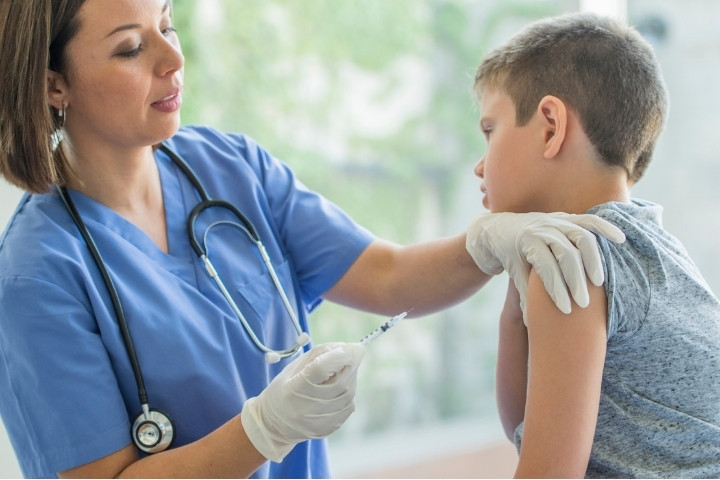
Keeping up with the vaccination schedule for children is one of the most important services provided by a child health clinic. Routine childhood immunizations protect against serious illnesses and support community health.
Common preventive services include:
- Flu shot for kids
- Developmental screening
- Vision and hearing checks
- Growth and nutrition counseling
- Preventive child health education
These visits help identify concerns early and keep children on track for healthy development.
Common Childhood Illnesses Treated

Parents often visit a children’s medical clinic when their child is sick. Pediatric providers treat a wide range of common conditions, including:
- Ear infection treatment
- Strep throat
- Fever
- Persistent cough
- Vomiting and diarrhea
- Rashes and skin concerns
- Pediatric asthma management
- Child allergy testing
A kids’ doctor evaluates symptoms, provides treatment, and offers guidance for home care and recovery.
Chronic Conditions and Ongoing Care

Children with chronic health needs benefit from consistent monitoring and treatment at a pediatric clinic. Ongoing care may include:
- Pediatric asthma management
- Allergy treatment plans
- ADHD evaluation and support
- Anxiety
- Nutrition counseling
- Developmental follow-up
Having a consistent provider ensures children receive coordinated care that adapts as they grow.
Minor Injuries and Acute Concerns

A children’s medical clinic can treat many minor injuries that occur during everyday play and sports. These include:
- Sprained ankle
- Minor fractures or strains
- Laceration repair
- Bruises or mild head bumps
- Minor burns or skin injuries
When injuries are not severe or life-threatening, a pediatric clinic is often the best first step for evaluation and treatment.
When to Seek Medical Attention

Knowing when to call or visit a pediatric clinic can help prevent complications and provide peace of mind. Parents should consider scheduling an appointment if a child experiences:
- High fever in an infant or persistent fever in older children
- Breathing difficulty in a child
- Persistent cough
- Rash on a child that does not improve
- Vomiting or diarrhea causing dehydration
- Unusual fatigue or irritability
- Feeding difficulties in infants
Prompt care helps providers diagnose and treat conditions before they worsen.
Red Flags That Require Immediate Evaluation
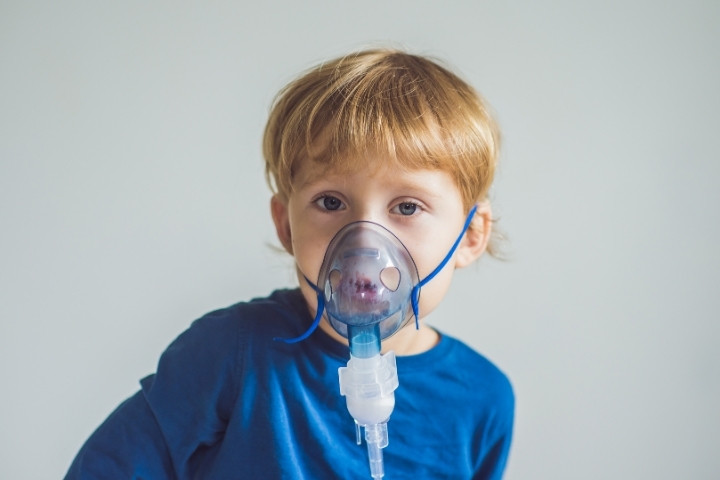
Some symptoms require urgent medical attention. Parents should seek immediate care if a child has:
- Trouble breathing
- Bluish lips or face
- Severe dehydration symptoms in an infant
- High fever that does not respond to treatment
- Severe injury or uncontrolled bleeding
- Lethargy or unresponsiveness
Understanding these warning signs helps families make quick decisions about when to go to the emergency room instead of a clinic.
Pediatric Clinic vs Urgent Care vs ER

Choosing between a children’s medical clinic, urgent care, and the emergency room depends on the severity of symptoms.
Children’s Medical Clinic
Best for routine care, preventive visits, mild illnesses, chronic condition management, and developmental concerns.
Pediatric Urgent Care
A pediatric urgent care or children’s urgent care is useful for non-life-threatening issues that require prompt attention, such as minor injuries, fevers, or infections after regular office hours.
Emergency Room
The ER is appropriate for serious symptoms such as breathing difficulty, severe injury, or dehydration. Understanding pediatric ER vs clinic decisions helps parents respond quickly in urgent situations.
After Hours and Telehealth Options

Many clinics offer after-hours pediatric care or guidance for urgent questions. Families can call for advice or schedule a same-day pediatric appointment when needed.
Some clinics also provide pediatric telehealth and virtual pediatric visits. Telehealth can be helpful for:
- Follow-up appointments
- Mild illness evaluation
- Medication questions
- Behavioral concerns
A virtual pediatrician visit allows families to connect with a provider from home while still receiving professional guidance.
What to Expect During a Visit

A visit to a children’s medical clinic usually follows a consistent process designed to keep children comfortable and safe.
Typical steps include:
- Check in and review of medical history
- Vital signs check, including temperature and weight
- Discussion of symptoms or concerns
- Physical examination
- Treatment plan and recommendations
- Follow-up guidance
Providers also use visits to review developmental milestones, nutrition, sleep habits, and emotional well-being.
Preparing for a Pediatric Appointment

Parents can make the most of their visit by preparing ahead of time. Helpful steps include:
- Bring insurance and identification
- List symptoms and questions
- Note medications and allergies
- Pack comfort items for younger children
- Arrive early for paperwork
Proper pediatric appointment preparation ensures the visit runs smoothly and allows time for important questions.
How Children’s Clinics Support Long-Term Health

A children’s medical clinic supports children beyond illness treatment. Ongoing visits help monitor:
- Growth chart tracking
- Developmental milestones
- Behavioral concerns
- Sleep issues in toddlers
- Nutrition and activity levels
This continuous care helps identify issues early and supports healthy growth from infancy through adolescence.
Providers may also offer guidance on holistic pediatric care, including sleep routines, nutrition, and lifestyle habits that support overall wellness.
Telehealth and Modern Pediatric Care

Today’s clinics often combine in-office visits with pediatric telemedicine to offer flexible care options. A telehealth appointment can provide reassurance and guidance without leaving home, especially for follow-up care or minor concerns.
Telehealth complements in-person visits and helps families stay connected to their provider.
Bringing It All Together
A trusted children’s medical clinic plays a vital role in supporting your child’s health at every stage of growth. From preventive care and routine checkups to treatment for illnesses and injuries, these clinics provide comprehensive support for families. Knowing when to visit a pediatric clinic, urgent care, or the emergency room helps parents make confident decisions and ensures children receive the right level of care at the right time.
Regular visits with a pediatrician not only treat current concerns but also support long-term development, emotional well-being, and preventive health. By building a relationship with a reliable child health clinic, families gain a trusted partner in their child’s health journey.

If you have questions about your child’s health, need guidance, or want to schedule a visit, connect with a trusted pediatric team today at Pediatric Associates of Dallas.