




Are you looking to find the best audiologist for your baby in Plano, Texas? If your newborn just had a hearing screening or your pediatrician recommended an infant hearing assessment, you may be feeling unsure about what to do next. The good news is that finding a qualified audiologist in Plano, TX, doesn’t have to be stressful, especially when you know what to look for.
This guide offers a parent-friendly roadmap for choosing the right pediatric audiologist, explaining credentials, clinical expertise, and what to expect during your first visit. By the end, you’ll feel prepared to make a confident, informed decision about your child’s hearing care.
What Does an Audiologist Do?
An audiologist is a hearing specialist who diagnoses, manages, and treats hearing and balance disorders in people of all ages. A pediatric audiologist, in particular, specializes in evaluating and supporting newborns, infants, and children.
Step 1: Know the Right Qualifications to Look For

When searching for an audiologist in Plano, TX, credentials matter. These qualifications ensure your child receives expert care using the latest pediatric testing methods.
- Audiologists hold a Doctor of Audiology (AuD) degree, which combines medical science with clinical training.
- Always confirm that the provider has state licensure for audiology, which guarantees they meet Texas standards for hearing health care.
- Look for a Board Certified Pediatric Audiologist (PASC). This credential reflects advanced pediatric knowledge and experience.
- Many professionals also belong to the American Speech-Language-Hearing Association (ASHA), showing commitment to ethical, evidence-based practice.
- Choose an audiologist trained in newborn hearing screening, Auditory Brainstem Response (ABR) tests, and Otoacoustic Emissions (OAE) tests—the most reliable ways to assess babies who can’t yet respond behaviorally.
Step 2: Evaluate the Clinic’s Experience and Equipment

Not all hearing clinics are the same. When evaluating clinics, look for:
- Experience with infant hearing assessments and universal newborn hearing screening programs.
- Access to specialized pediatric equipment for Behavioral Hearing Evaluations, Pediatric Tympanometry, and Pediatric Visual Reinforcement Audiometry (VRA).
- Collaboration with ear, nose, and throat (ENT) specialists or otolaryngologists for complex cases.
- Integration with speech-language pathologists for speech and developmental follow-up.
Advanced clinics may also provide Pediatric Acoustic Reflex Threshold (ART) testing and Pediatric Conditioned Play Audiometry (CPA) for toddlers and preschoolers.
Step 3: Assess Communication and Comfort

Your baby’s first audiology appointment can feel emotional, especially if there’s concern about hearing loss diagnosis. A good pediatric audiologist will explain every step clearly, maintain a calm atmosphere, and prioritize your comfort.
Ask yourself:
- Does the audiologist speak in parent-friendly language?
- Do they take time to explain how results impact speech and language development milestones?
- Are they gentle and patient during testing?
Parent-friendly tip: Choose a clinic that welcomes your questions and encourages your involvement in your child’s hearing care plan.
Step 4: Check Scheduling, Accessibility, and Insurance

Family-friendly care should also be practical. Before booking, review:
- Scheduling availability for appointments (many newborns need early testing within the first few weeks).
- Clinic location and parking accessibility, especially with an infant carrier or stroller.
- Insurance coverage for hearing tests and any out-of-pocket costs.
- Availability of emergency or follow-up slots for urgent concerns.
Step 5: Know What to Expect at Your First Audiology Appointment
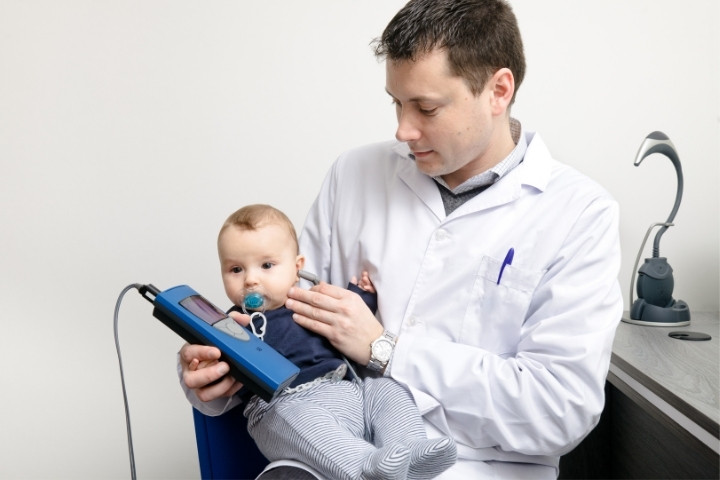
The Appointment Overview
At your first visit, the audiologist will take a medical and family hearing history, followed by age-appropriate testing:
- Otoacoustic Emissions (OAE) Test: Measures the inner ear’s (cochlea’s) response to sound.
- Auditory Brainstem Response (ABR) Test: Tracks the brain’s reaction to sound through gentle electrodes placed on the baby’s head.
- Pediatric Tympanometry: Evaluates middle ear function and eardrum movement.
- Behavioral Hearing Evaluation: For older infants or toddlers, responses to sounds are observed.
These tests are painless and performed while your baby sleeps or rests comfortably.
What to Ask During the Appointment
To get the most out of your visit, consider asking:
- What type of hearing loss (if any) was found?
- Will a follow-up hearing monitoring plan be recommended?
- Does my child need hearing protection devices, hearing aids, or further testing?
- How does early detection affect speech-language milestones?
- Will you work with our pediatrician or ENT specialist?
Step 6: Understand the Importance of Follow-Up Monitoring
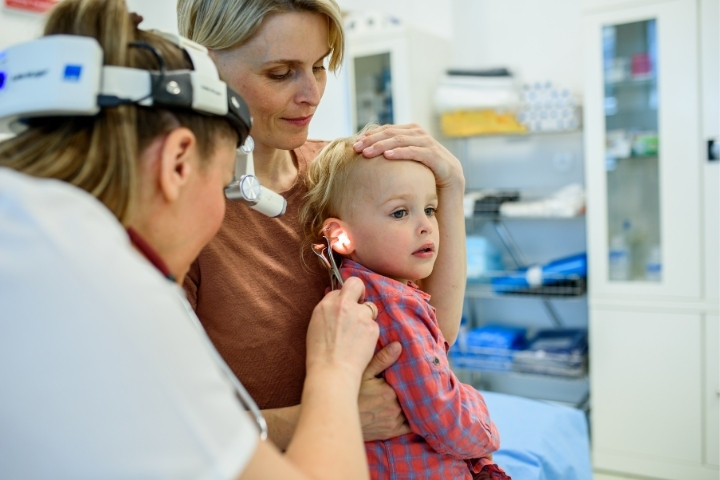
Even if your baby passes the first test, consistent follow-up hearing monitoring is key. Hearing changes can occur later due to:
- Middle ear infections or fluid buildup
- Exposure to loud sounds
- Certain ototoxic medications
Follow-up visits allow audiologists to ensure your child continues meeting developmental communication goals. Early hearing rehabilitation, including hearing aid evaluations, cochlear implant evaluations, or assistive listening devices (ALDs), can dramatically improve long-term outcomes.
Step 7: Consider Full-Family Hearing Care

Good hearing care extends beyond the baby. Many clinics offer family hearing care services, including:
- Hearing protection education for parents and siblings
- Tinnitus assessment and management
- Balance and vestibular testing for dizziness or unsteady movement
- Hearing aid maintenance and repairs for long-term users
Family-centered clinics make it easier to coordinate appointments and keep everyone’s hearing health on track.
Step 8: How to Compare Audiology Clinics

When narrowing down your options, create a checklist that includes:
- Credentials (AuD, PASC, ASHA, Texas licensure)
- Pediatric testing capabilities (OAE, ABR, VRA, CPA)
- Comfort and communication style
- Access to otolaryngology and speech-language pathology referrals
- Clinic experience and reputation with pediatric cases
- Insurance coverage and financial transparency
- Convenient location and scheduling availability
Step 9: Why Early Detection Matters

An untreated hearing loss diagnosis can affect more than sound perception. It impacts speech development, school readiness, and emotional connection. Early detection through pediatric early hearing detection and intervention (EHDI) programs ensures that children receive support when it matters most.
Next Step
Choosing the right audiologist in Plano, TX, is one of the best steps you can take for your child’s lifelong hearing and communication success. Look for qualified professionals with pediatric experience, modern testing tools, and a compassionate approach that puts your family at ease.
From newborn hearing screening to ongoing follow-up hearing monitoring, trust in pediatric hearing specialists who understand every milestone and help your child reach their full potential.

Ready to schedule your baby’s hearing evaluation? Visit Pediatric Associates of Dallas for trusted pediatric audiology care in Plano, TX, where compassionate specialists provide expert guidance from the very first test.