



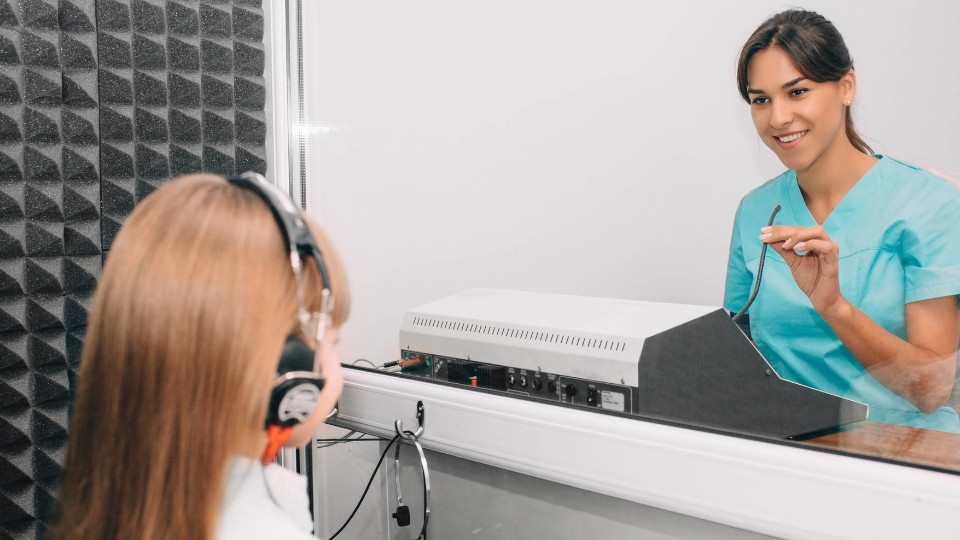
When was the last time your family had a hearing checkup? Most parents keep up with regular pediatric visits and even flu shots at their local flu shot clinic, but hearing often gets overlooked until problems arise. The truth is, hearing health is deeply connected to overall wellness, and protecting it starts long before noticeable symptoms appear.
This guide explores how family audiology supports lifelong hearing preservation, from safe listening habits and early screening to personalized care and ongoing management for every age group.
What Is Family Audiology?
Family audiology is a branch of hearing care focused on preventive, diagnostic, and rehabilitative support for patients of all ages. Unlike general clinics, family-centered practices emphasize continuity, tracking hearing across generations to identify shared hearing loss risk factors and tailor audiological interventions for each person’s unique needs.
Why Preventive Audiology Matters

Preventive audiology helps you avoid problems before they start. By scheduling routine hearing screenings, families can identify subtle hearing changes that often go unnoticed. This early awareness allows your audiologist to recommend protective steps or treatment before hearing loss progression occurs.
A baseline hearing test sets a reference point for future evaluations. With ongoing hearing health monitoring, your provider can detect even small shifts caused by noise-induced hearing loss, ototoxic medications, or age-related factors.
Simple Habits That Protect Hearing

1. Follow Safe Listening Guidelines
Experts recommend the 60/60 rule: listen at no more than 60% volume for no longer than 60 minutes at a time. This practice helps prevent noise-induced hearing loss, especially in children using headphones or earbuds.
2. Use Proper Hearing Protection
In loud environments, concerts, sporting events, or lawn work, wear earplugs or earmuffs. They reduce noise exposure without blocking out important sounds.
3. Maintain General Health
Good cardiovascular health promotes better circulation to the ears, while quitting smoking lowers your risk of hearing impairment. Regular immunizations also help prevent infections that may harm hearing.
4. Avoid Ear Damage
Never insert cotton swabs or small objects into your ears, as they can damage delicate structures or push wax deeper.
Family Audiology and Early Detection

Hearing changes can develop slowly, making them easy to miss. Through consistent hearing evaluations, family audiologists detect problems early and provide timely audiology consultations.
Children may receive pediatric audiology screenings to monitor speech-language milestones, while adults benefit from balance assessments that identify early signs of vestibular disorders.
Early detection is especially important for conditions like auditory processing disorder (APD), where the brain struggles to interpret sounds even if the ears are healthy.
Custom Care Across the Lifespan

Pediatric Hearing Care
For children, early intervention hearing services prevent language development delay and improve academic and social outcomes. Hearing aids for children and educational support programs ensure they meet speech and language milestones confidently.
Adult and Senior Hearing Care
For adults, family audiology offers hearing aid fitting, hearing rehabilitation, and tinnitus management. Routine follow-ups help ensure proper hearing aid maintenance and battery care.
Family-Centered Support
Family members learn hearing communication strategies to support loved ones with hearing challenges, reducing frustration and improving connection at home.
Recognizing Hearing Loss Symptoms
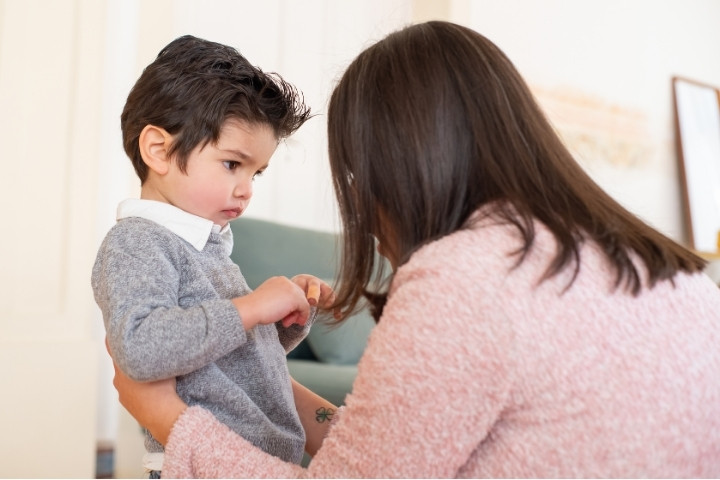
If you or a family member notices these signs, schedule an audiologist evaluation right away:
- Frequently asking others to repeat themselves
- Turning up the TV volume too high
- Difficulty following conversations in noisy spaces
- Ringing or buzzing in the ears (tinnitus)
- Withdrawal from social activities due to listening fatigue
Catching these early allows for hearing loss detection and timely treatment options such as hearing aids, cochlear implants, or bone conduction hearing devices.
How Family Audiology Promotes Long-Term Wellness

Family audiology practices don’t just diagnose, they educate. Through audiology patient education, families learn how smoking and hearing loss, cardiovascular health, and safe listening all work together.
Providers also help manage third-party disability, where one person’s hearing loss affects the entire family’s communication dynamics. Regular checkups reinforce the idea that hearing care is preventive healthcare, just like your yearly visit to a flu shot clinic.
The Role of Technology in Hearing Preservation

Advancements in hearing aid technology and digital screening tools make monitoring easier and more precise. Many clinics now offer remote audiology consultations, allowing for convenient hearing healthcare access from home.
Family audiologists use this data to refine family risk profiles, ensuring every generation receives proactive, customized care.
The Takeaway

Your family’s hearing is as vital as any other part of your health. By partnering with a trusted family audiology provider, you can protect against hearing loss progression, detect early signs of change, and build lifelong auditory wellness.
Just like a seasonal visit to your flu shot clinic keeps illness at bay, regular hearing evaluations preserve communication, connection, and confidence across every stage of life.
Ready to schedule a hearing evaluation for your family? Visit Pediatric Associates of Dallas to learn how our family-centered audiology services can help you protect your hearing health for years to come.