



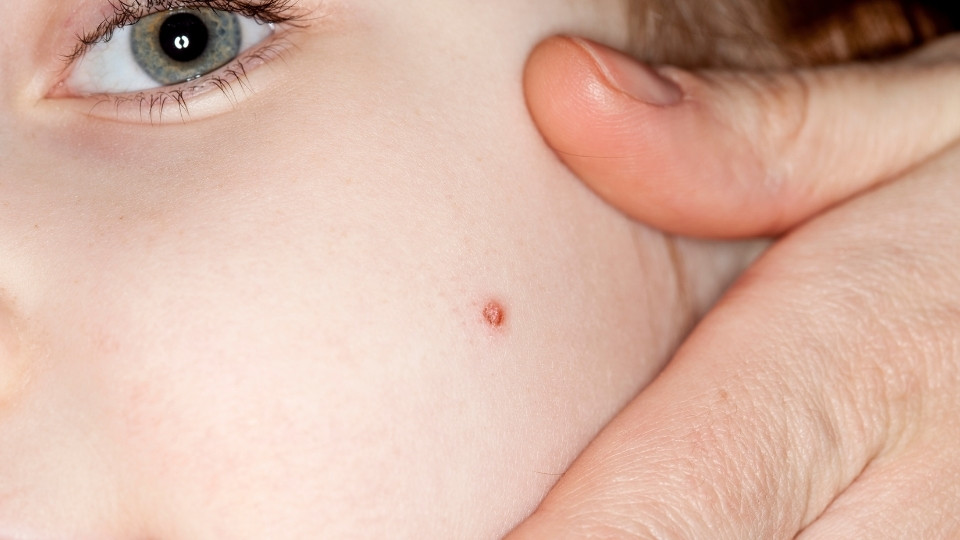
Have you noticed a small bump on your child’s skin and wondered if it might be a wart? Many parents feel concerned when they spot unfamiliar skin changes, especially when those bumps seem to grow, spread, or cause discomfort. Warts in children are very common and usually harmless, but recognizing them early can help parents prevent spread and decide when treatment is needed.
This guide explains how to identify warts in children, what causes them, the most common types to watch for, and how to tell the difference between warts and other skin bumps. By understanding the signs, parents can feel confident knowing when to monitor a wart at home and when to seek care.
What Causes Warts in Children?
Warts are caused by the human papillomavirus HPV, a viral skin infection that affects the outer layer of skin. There are many different HPV types in children, and each type can lead to a slightly different appearance or location of warts.
The virus enters the skin through tiny cuts or breaks, often from everyday play. Once inside, it causes rapid growth of skin cells, creating the rough or raised surface we recognize as a wart. Because children are constantly exploring their environment and interacting with other kids, wart causes in children are often tied to normal activities like playground time, sports, and shared surfaces.
A child’s immune system also plays a role. Some children develop warts easily because their immune systems have not fully learned to suppress the virus. Others may be exposed to the virus but never develop visible warts.
How Warts Spread Through Everyday Contact

Parents often ask about how warts spread and whether they are contagious. The HPV virus spreads through direct skin contact or contact with surfaces where the virus lives.
Common ways contagious skin warts spread include:
- Sharing towels, socks, or shoes
- Walking barefoot in locker rooms or pool areas
- Picking at an existing wart and touching another area of skin
- Close contact during play or sports
Because of this, warts in children are frequently seen on hands, feet, and knees. Activities like swimming, gymnastics, and playground play can increase exposure to the virus.
Common Types of Warts in Children

Understanding the different types of warts helps parents recognize what they are seeing. Each type has unique features that make it easier to identify.
Common Warts on Hands and Fingers
Common warts in kids usually appear on the hands, fingers, knees, or elbows. These warts often look:
- Rough and raised
- Grayish yellow or flesh colored
- Dome-shaped with a grainy texture
- Small black dots inside, sometimes called seed warts
These black dots are tiny blood vessels and are a classic sign of seed warts in children. Parents often notice them first when a wart becomes more visible or starts catching on clothing.
Plantar Warts on the Feet
Plantar warts in children form on the soles of the feet and can be more uncomfortable than other types of warts. Because they grow inward due to pressure from walking, they may look flatter than warts on other parts of the body.
Signs of foot warts on soles include:
- Pain when walking or standing
- A rough patch with small black dots
- A callus-like surface
- Pain with pressure on the area
Some children develop mosaic warts on their feet, which are clusters of plantar warts grouped together. These may multiply over time and become more noticeable.
Flat Warts on the Face and Body
Flat warts on the face are small and smooth compared to other types. They are often:
- Pinhead sized
- Slightly raised but mostly flat
- Skin colored or light brown
- Found in clusters
Because they are subtle, parents may mistake them for minor skin irritation or acne. However, flat warts often appear in groups and may spread if scratched.
Filiform Warts in Kids
Filiform warts in kids have a distinct appearance. They are:
- Thin and finger-like
- Often found around the mouth, nose, or eyelids
- Flesh colored
- Fast growing
These filiform eyelid warts can be more noticeable because of their location on the face, prompting parents to seek evaluation sooner.
Where Warts Commonly Appear on Children
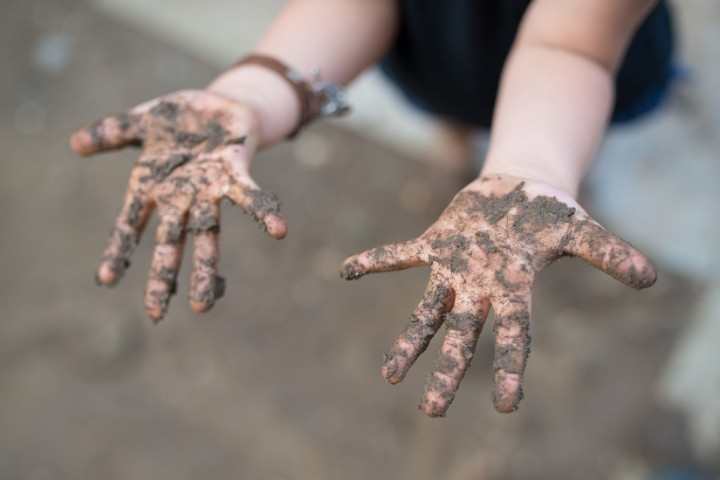
Warts can form almost anywhere, but certain areas are more common due to exposure and skin vulnerability.
Frequent locations include:
- Hands and fingers
- Knees and elbows
- Soles of the feet
- Around fingernails or toenails
- Face and neck
Children who bite their nails may develop periungual warts near their nails, while those active in sports may develop warts on their knees or feet.
How to Spot Warts Early
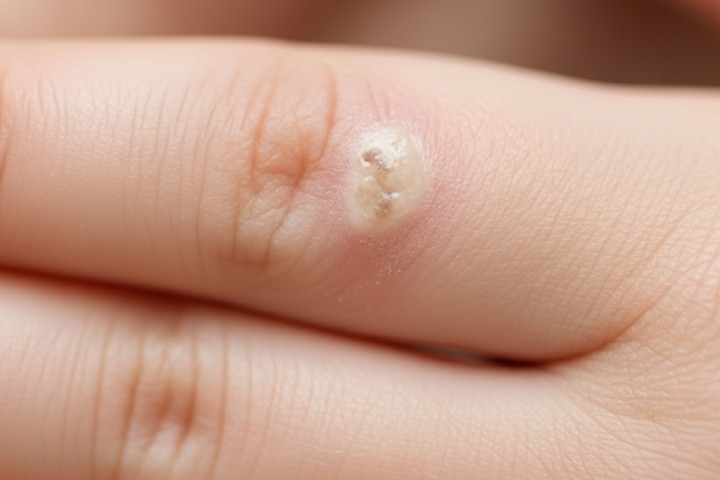
Recognizing wart symptoms in kids early makes it easier to manage and prevent the spread. Parents can perform a simple at-home wart check by looking for key features.
Signs to watch for:
- Rough, raised warts with a grainy surface
- Black dots within the bump
- Small clusters that multiply
- Pain with pressure on the sole
- Changes in texture or color
These clues help parents spot warts early and monitor changes over time.
Warts vs Calluses: How to Tell the Difference
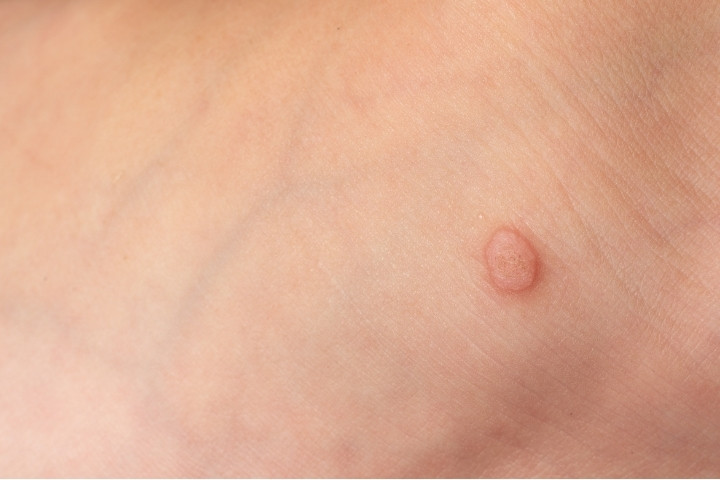
Parents often confuse warts with other skin growths in kids, especially calluses or molluscum contagiosum.
Callus vs Wart
A callus forms from repeated friction and usually:
- Feels smooth
- Lacks black dots
- Does not interrupt skin lines
A wart typically:
- Feels rough
- Has black dots
- Disrupts normal skin patterns
Molluscum vs Warts
Molluscum contagiosum appears as:
- Pearly bumps
- A central dimple
- Smooth surface
Warts, by contrast, have a rough texture and may grow in clusters without a central dimple.
How to Prevent Warts from Spreading

Once a child has a wart, preventing spread becomes important. Parents can reduce transmission by teaching simple habits.
Tips to prevent wart spread include:
- Encourage frequent handwashing
- Avoid picking or scratching warts
- Keep warts covered when possible
- Avoid sharing towels or socks
- Use sandals in public pools or locker rooms
These steps help limit the spread of the HPV virus on the skin and protect other areas of the body.
Do Warts Go Away on Their Own?

Many warts in children resolve naturally over time as the immune system clears the virus. Some may disappear within months, while others last longer.
Natural wart resolution is common, but not guaranteed. Some warts:
- Grow larger
- Become painful
- Multiply
- Spread to others
When warts begin affecting daily activities or confidence, treatment may be helpful.
When to Consider Treatment

Parents should consider professional care if warts:
- Are painful or bleeding
- Continue spreading
- Interfere with walking or writing
- Cause embarrassment or discomfort
- Do not improve over time
Treatment options vary and may include topical medications, monitoring, or in-office procedures such as cryotherapy for children. Freezing treatments are commonly used for freezing warts when removal is necessary.
Helping Your Child Feel Comfortable
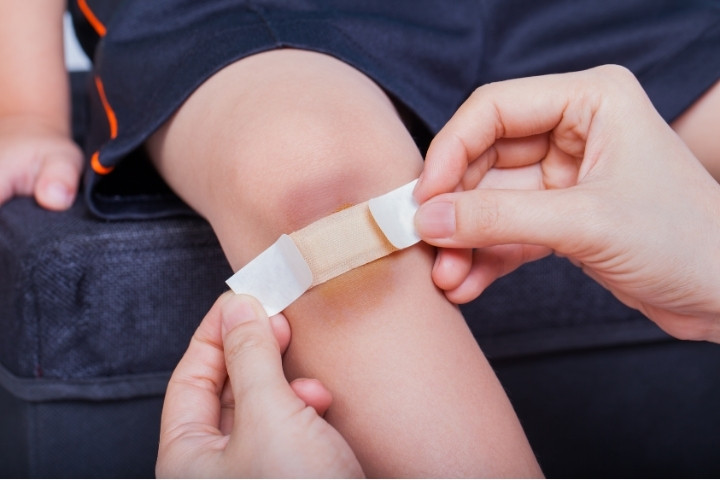
Warts are common and manageable, but they can still make children feel self-conscious. Reassure your child that warts are a normal part of growing up and that many kids experience them.
Encourage:
- Gentle skin care
- Avoiding picking
- Keeping the area clean
- Talking openly about concerns
This supportive approach helps children feel confident while managing skin changes.
The Takeaway
Warts in children are a common part of childhood and are usually harmless. By learning to recognize common warts in kids, plantar warts, flat warts, and filiform warts, parents can identify them early and take steps to prevent spread. Watching for changes in texture, color, or clusters makes it easier to distinguish warts from other skin bumps and decide when care is needed.

If a wart becomes painful, spreads quickly, or does not improve, a pediatric visit can confirm the diagnosis and review treatment options. Early attention helps keep children comfortable and prevents warts from interfering with daily activities.
To learn more about treatment approaches and when professional care is recommended, visit Pediatric Associates of Dallas.