




Is your baby struggling to latch or feed comfortably? For many families, these challenges may be linked to a condition called tongue-tie (ankyloglossia), when a short or tight frenulum (the thin tissue under the tongue) restricts movement. If your pediatrician or pediatric lactation consultant recommends a lingual frenectomy procedure, understanding what to expect can make the process less intimidating.
This article guides you through each stage of a lingual frenectomy, from evaluation and treatment to post-care and recovery, so you can feel confident about supporting your baby’s oral health and feeding success.
Understanding the Lingual Frenectomy Procedure

A lingual frenectomy is a brief and precise treatment that releases a restricted tongue to improve tongue mobility and overall feeding function. The procedure may also be referred to as an infant frenotomy or frenulum release procedure.
What Does a Tongue-Tie Evaluation Include?
Before recommending surgery, healthcare providers perform a baby tongue-tie evaluation. This includes:
- A feeding assessment to observe how your baby latches and transfers milk
- Examination of the oral anatomy of the newborn, including the tongue, mouth floor, and the frenulum
- A tongue range of motion measurement, sometimes guided by Kotlow’s free tongue measurement scale
- A discussion of tongue-tie symptoms, such as poor latch, clicking sounds, breastfeeding difficulties, or prolonged feeding times
If your baby shows oral restrictiveness and persistent latch problems, your provider may recommend a lingual frenulum assessment to determine if a functional tongue-tie correction is needed.
Before the Procedure: Preparing for Treatment

Once the decision is made, your pediatrician, ENT specialist, or pediatric lactation consultant will discuss your baby’s specific needs. Preparation usually includes:
- Reviewing feeding habits and oral feeding evaluation results
- Discussing the differences between laser frenectomy and scissor frenectomy
- Explaining comfort and restraint techniques to minimize stress for your baby
- Outlining the plan for post-frenectomy care and follow-up visits
Most providers use minimal anesthesia infant procedures or local anesthesia newborn options, keeping the process as gentle and safe as possible.
During the Lingual Frenectomy Procedure
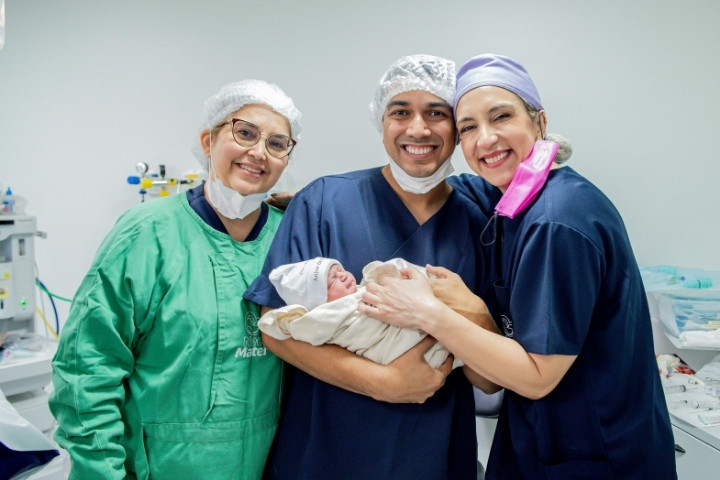
The procedure itself typically lasts just a few minutes and is often completed in the pediatric or lactation clinic.
Step 1: Initial Evaluation and Preparation
Your provider will gently stabilize your baby, ensuring comfort and security. This may involve light infant procedural restraint for safety.
Step 2: Assessing the Frenulum and Tongue Mobility
The frenulum is carefully inspected for thickness, placement, and restriction. Tongue-tie severity assessment helps determine the ideal release approach.
Step 3: The Frenulum Release
Depending on the provider’s expertise and equipment, the release may be done using:
- A scissor frenectomy for a quick and traditional method
- A laser frenectomy, which minimizes bleeding and often shortens healing time
Bleeding, if any, is minimal and controlled immediately (post-operative bleeding control).
Step 4: Immediate Comfort and Feeding
After the frenulum release procedure, your provider will often encourage immediate feeding post-procedure. Nursing right away helps calm your baby, supports comfort, and promotes natural tongue movement.
Snippet-ready answer: A lingual frenectomy for babies is a short, in-office procedure where the tight frenulum under the tongue is gently released, improving feeding and tongue movement immediately.
After the Procedure: Recovery and Post-Frenectomy Care

Most babies recover quickly after a lingual frenectomy, with noticeable improvement in latch and feeding within days.
Infant Pain Management and Comfort
Some infants may experience mild soreness or fussiness. Recommended infant pain management may include cold breast milk compresses, gentle tongue movement, or provider-approved oral comfort measures.
Stretching and Oral Exercises
Not all providers require tongue stretching exercises, but some recommend them to prevent reattachment and maintain mobility. If advised, infant oral exercises will be demonstrated to ensure proper healing.
Feeding Support
Breastfeeding after a frenectomy often becomes easier, with improved suction and reduced nipple pain for mothers. Continued lactation support ensures that both baby and parent adjust smoothly to new feeding mechanics.
Monitoring Recovery
Parents should expect a frenotomy recovery timeline of one to two weeks. Follow-up appointments with your pediatrician, lactation consultant, or pediatric ENT specialist are essential to ensure proper healing and tongue function.
Possible Side Effects and Myths

Mild Crying or Fussiness
Crying during or shortly after the procedure is common but usually brief. Babies typically settle once they begin feeding.
Myths About Tongue-Tie and Frenectomy
- Myth: Every tongue-tie requires surgery.
Fact: Only cases that affect feeding, oral function, or development need a frenulotomy vs. frenectomy evaluation. - Myth: The procedure is extremely painful.
Fact: Most babies tolerate it well, especially with minimal anesthesia, infant procedures, and immediate feeding.
Long-Term Benefits of a Lingual Frenectomy

A successful lingual frenectomy can have lasting effects on your baby’s development:
- Improved latch and baby feeding improvement
- Enhanced tongue strength and tongue function after frenectomy
- Prevention of future oral-motor dysfunction
- Reduced risk of speech development impacting later in childhood
By addressing the root cause early, you support your baby’s ability to eat, speak, and thrive without frustration or restriction.
Choosing the Right Provider for Infant Frenotomy

Selecting the right professional is an important part of ensuring a positive outcome. Parents may seek care from:
- Pediatric ENT specialists for surgical expertise
- Pediatric lactation consultants for ongoing feeding support
- Providers experienced in infant oral surgery and oral anatomy newborn evaluations
Look for a clinic that explains parental guidance tongue-tie treatment, provides hands-on follow-up, and collaborates with your existing care team for continuity.
The Takeaway
A lingual frenectomy procedure is a gentle, effective solution for babies experiencing feeding challenges due to tongue-tie (ankyloglossia). With the right evaluation, treatment, and aftercare, most infants experience rapid improvement in latch, comfort, and overall feeding behavior.
If your baby shows tongue-tie symptoms, struggles with breastfeeding difficulties, or has latch problems, speak with your pediatrician or lactation specialist today.

For compassionate evaluation and expert newborn feeding support, visit Pediatric Associates of Dallas to learn more about lingual frenectomy and how it supports better feeding and growth for your baby.