



Have you noticed a stubborn bump on your child’s hand, foot, or finger that just won’t go away, no matter how many over-the-counter treatments you try? If so, you’re not alone. Warts are one of the most common skin conditions in children, and for many families, the question isn’t whether to treat them, but how. Cryotherapy for warts has become one of the most trusted and widely used office-based wart removal options available today, and understanding what it involves can make the entire experience far less stressful for you and your child.
At Pediatric Associates of Dallas, our team sees children with warts regularly and guides families through treatment decisions every day. This article will walk you through how cryotherapy works, what your child will experience, what to expect afterward, and how to decide whether this approach is the right fit.
What Warts Actually Are and Why Children Get Them

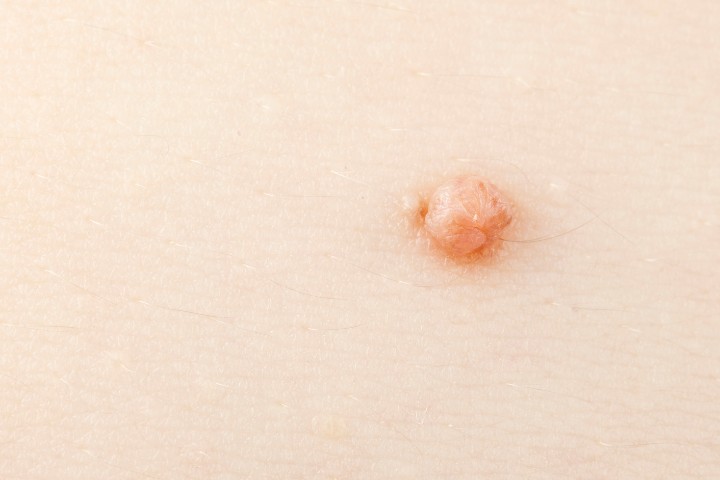
Warts are caused by the human papillomavirus, or HPV. There are many HPV types, and the ones that cause skin warts are different from the strains associated with other health conditions. When the virus enters the skin through a tiny cut or abrasion, it infects keratinocytes, the cells that form the outer layer of skin. These infected keratinocyte viral reservoirs cause the skin to grow in a thickened, rough cluster, which is the wart itself.
Children are particularly susceptible because their immune systems are still developing, and they spend time in environments like locker rooms, swimming pools, and playgrounds where HPV spreads easily. Autoinoculation risk is also real, meaning a child can spread warts from one part of their own body to another simply by touching or picking at the wart.
Common Wart Types in Children
Knowing which type your child has matters because wart thickness considerations and location-based treatment choices both influence whether cryotherapy is the right approach. The most frequently seen types include:
- Verruca vulgaris on hands, the classic rough, raised wart most often seen on fingers and the backs of hands
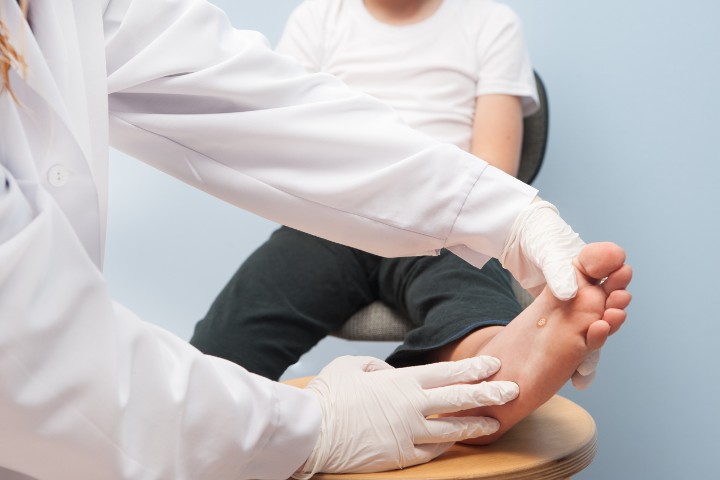
- Plantar verrucae on the feet, which grow inward due to pressure, and can be painful when walking
- Flat warts on the face, which tend to be smaller, smoother, and often appear in clusters
- Periungual warts near nails, affecting the skin around or under the fingernails and toenails
- Mosaic wart clusters, appearing as a broad, flat patch of multiple warts grouped together, most commonly on the feet
- Filiform projections, thin finger-like warts that occasionally appear near the eyelids or around the mouth
How Cryotherapy Works: The Freezing Process Explained
The Science Behind Tissue Freezing
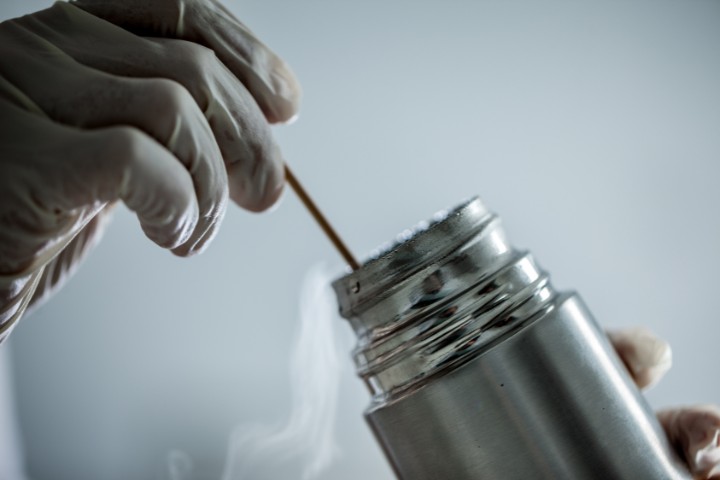
Cryotherapy uses liquid nitrogen application to freeze wart tissue at extremely low temperatures. Liquid nitrogen reaches approximately -196 degrees Celsius, and when applied to a wart, it causes rapid tissue freezing. The tissue freezing mechanism works by forming ice crystals inside and between the wart cells, which ruptures the cell membranes and triggers wart cell destruction.
But freezing is only half of the process. The damage caused by liquid nitrogen also triggers immune system activation. Your child’s body begins to recognize the viral antigens exposed during treatment, and immune-mediated clearance helps the body attack the remaining HPV-infected cells. This is why cryotherapy often works even when the liquid nitrogen alone doesn’t appear to have destroyed every wart cell.
What Happens After Freezing
The dermal inflammation trigger created by cryotherapy sets off the skin’s natural epidermal repair process. Over the following days, the treated area goes through expected blister formation, then a post-treatment crusting phase, and eventually wart-free skin regeneration as the body heals.
It is worth noting that warts with HPV infection persistence can be stubborn. Viral latency factors mean the virus can linger in the skin even when the visible wart appears gone, which is one reason recurrence risk assessment is an important part of any wart treatment conversation.
What Your Child Will Experience During the Visit
Before the Procedure
Preparation for the procedure is straightforward. In some cases, especially for larger or thicker warts, paring before cryotherapy may be recommended. Paring means gently shaving away the outer layers of the wart to improve treatment penetration. Your provider at Pediatric Associates of Dallas may also apply a topical anesthetic before the session. Emla cream application or other topical anesthetic options help reduce discomfort, particularly for younger children or those with lower pain tolerance. The pediatric consent process will be explained by your provider, and any questions you or your child has will be addressed before treatment begins.
For children who are anxious, distraction techniques such as conversation, music, or a screen can be helpful. The team at P.A.D is experienced at making these moments feel calm and manageable.
During the Procedure
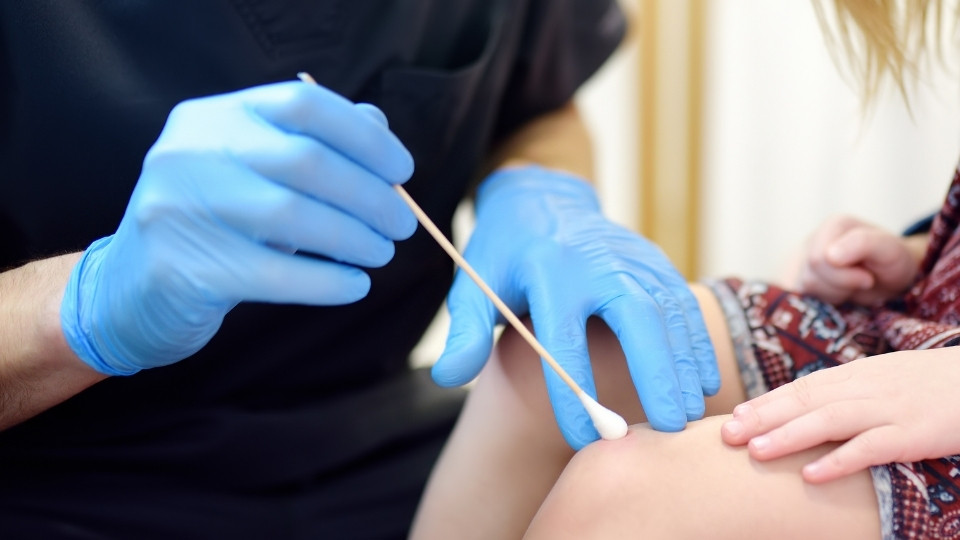
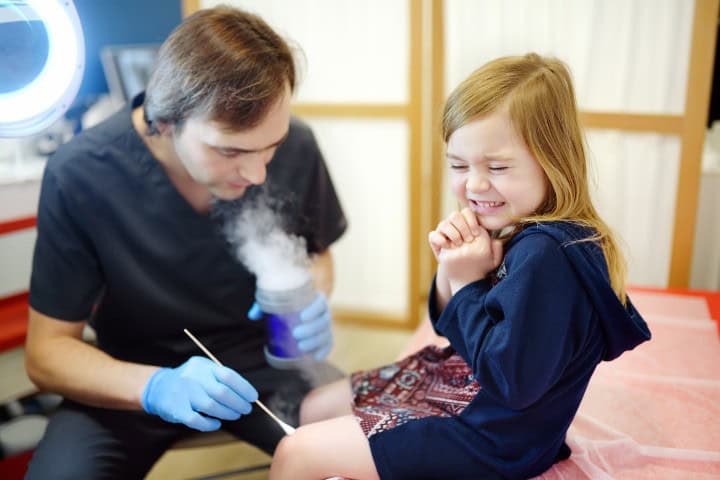
The liquid nitrogen is applied using a cotton swab, a spray device, or a probe, depending on the wart’s size and location. Most children describe a brief stinging sensation during application, followed by a cold, numb feeling. The freezing itself lasts only a few seconds per wart, and the entire visit is typically quick.
Managing child discomfort is something the team at P.A.D approaches thoughtfully. Pain scale assessment helps providers gauge how a child is responding, and breaks can be taken as needed. Child pain tolerance variation is real, and what feels like a minor sting to one child may feel more intense to another. Your provider will pace the session accordingly.
What to Expect After Cryotherapy
The Healing Timeline
After treatment, the area may look red and feel tender within the first few hours. Within 24 to 48 hours, blister formation is expected. The blister is part of the normal healing appearance and is a sign that the treatment is working as intended.
Blister care instructions from your provider will advise against popping the blister deliberately, as this increases the risk of infection and makes wart seeding prevention harder. The blister will typically drain on its own and then dry into a scab during the post-treatment crusting phase, which will fall away naturally as the skin heals underneath.
Day-to-Day Home Care
Aftercare wound management after cryotherapy is not complicated. The main steps are:
- Keep the treated area clean and dry
- Apply an over-the-counter antibacterial ointment if your provider recommends it
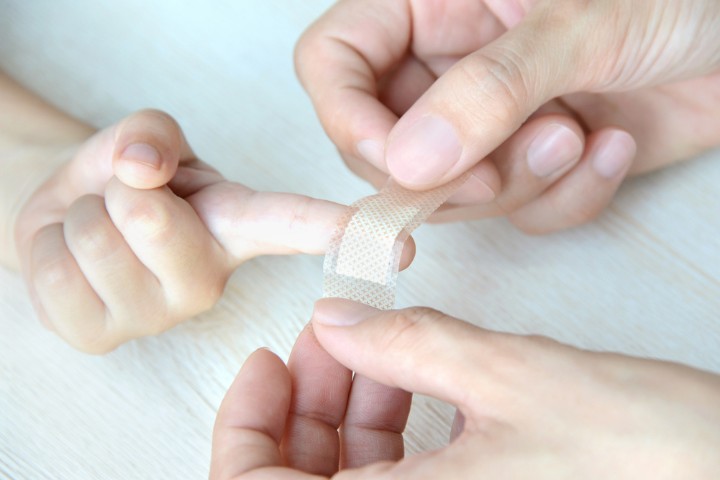
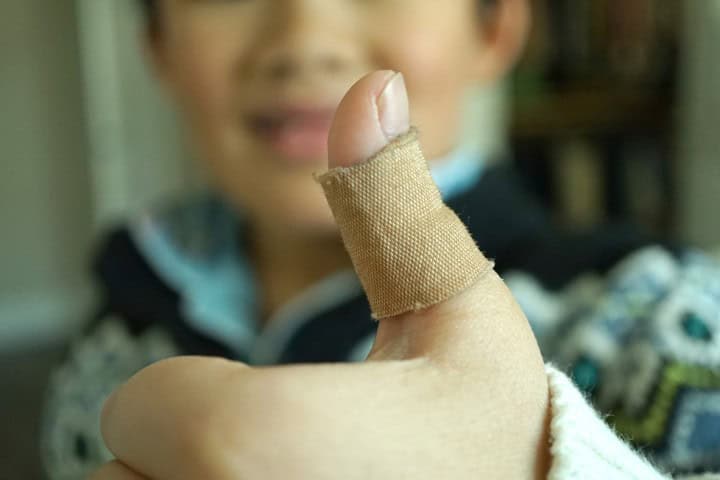
- Cover with a bandage during the day, especially if the wart is on a hand or foot
- Avoid picking at the scab, as this can affect healing and increase autoinoculation risk
Activity restrictions are minimal after cryotherapy. School return after treatment is usually possible the same day or the following morning. Pigmentary changes, meaning temporary lightening or darkening of the treated skin, can sometimes occur and are generally short-lived. Hypertrophic scar risk is low when proper liquid nitrogen dosage for kids and frostbite prevention measures are followed. Adverse reaction monitoring is part of every follow-up visit.
How Many Treatment Sessions Will My Child Need?
This is one of the most common questions parents ask, and the honest answer is that it varies. Multiple treatment intervals are almost always required. Most warts in children need two to six sessions spaced two to four weeks apart, though treatment interval optimization depends on how the wart is responding.
Factors That Affect Response
Several variables influence how quickly a wart clears. Response rate predictors include:
- The size and thickness of the wart, with thicker warts generally requiring more sessions
- Location, particularly plantar verrucae on the feet that have grown inward under pressure
- How long the wart has been present, since older warts tend to be more established
- Your child’s individual immune response and whether immune-mediated clearance is actively working
Mosaic wart clusters and periungual warts near nails can be especially resistant. Resistance pattern recognition guides your P.A.D provider’s decisions about whether to continue cryotherapy, adjust the liquid nitrogen dosage, or consider combination therapy indications, such as adding salicylic acid occlusion between office visits.
Follow-up appointment scheduling is important. Missing sessions or waiting too long between treatments allows keratinocyte viral reservoirs to remain active and reduces overall effectiveness. Staying consistent with the plan gives your child the best chance at lasting wart-free skin regeneration.
How Cryotherapy Compares to Other Wart Treatments

Cryotherapy is not the only option for treating warts, and there are situations where a different approach may be more appropriate. For most children with common warts, primary care cryotherapy is a well-supported first-line choice backed by American Academy of Pediatrics guidance and evidence-based wart management research. That said, knowing the alternatives helps parents have a more informed conversation with their provider.
Common Alternatives
- Salicylic acid occlusion is the most widely used at-home treatment. It works by slowly dissolving wart tissue over weeks or months and is most effective for mild, uncomplicated cases.
- Duct tape occlusion therapy has been studied as a complementary approach. The evidence is mixed according to Cochrane systematic reviews, but some families use it alongside other treatments.
- Topical immunotherapy agents, such as contact sensitizers, can stimulate an immune booster response in widespread or treatment-resistant warts. These are typically reserved for more complex cases.
- Curettage and electrodesiccation is a more invasive option that involves scraping and burning wart tissue and generally requires local anesthesia.
- Laser ablation alternatives are available for warts that do not respond to other treatments, though these are typically performed by a pediatric dermatologist and involve a higher cost and longer recovery.
When to Consider a Specialist
There are situations where a pediatric dermatologist evaluation may be recommended by your P.A.D provider. These include warts near sensitive structures, cases where nevus differentiation is needed to confirm the lesion is actually a wart and not a mole, or warts that have not responded after several cryotherapy sessions.
It is also worth noting that cryotherapy is not appropriate for every child. Cryoglobulin contraindications and vascular malformation exclusion are important safety considerations. Your provider will review your child’s health history before recommending any treatment to confirm that cryotherapy’s safety profile applies to your child’s specific situation.
Age-Appropriate Treatment and Location-Specific Considerations
Age-appropriate treatment selection is part of every wart management conversation at Pediatric Associates of Dallas. Very young children may have difficulty tolerating the brief stinging sensation of cryotherapy, even with a topical anesthetic. In those cases, providers may start with salicylic acid and reserve cryotherapy for when the child is older and more cooperative.
Pediatric procedure tolerance also varies widely by temperament, not just age. A calm eight-year-old and an anxious twelve-year-old may respond very differently to the same visit. The team at P.A.D takes time to prepare both the child and the parent before the first session.
Location matters as well. Flat warts on the face require a more careful approach because the skin there is thinner and more sensitive. Filiform projections near the eyelids are treated with extra caution, and in these cases, combination therapy or a lower-intensity application may be preferred to reduce the risk of pigmentary changes or scarring.
The Takeaway
Warts are common, treatable, and rarely cause serious problems. Cryotherapy for warts is one of the most effective and well-supported options available for children, and the process, while not completely painless, is quick, manageable, and very well tolerated with the right preparation and support.
Understanding the tissue freezing mechanism, knowing what normal healing appearance looks like, and being prepared for multiple treatment intervals will help you feel confident walking into each visit. Wart-free skin regeneration is the goal, and with consistent treatment and a little patience, most children get there.
Pediatric wart recurrence is always a possibility, and if a new wart appears down the road, early treatment makes the process easier. Keratin debris clearance and immune-mediated clearance work together over time, and each treatment session builds on the last.

If your child has a wart that hasn’t responded to home treatments, or if you’re unsure which option is right for them, the pediatric team at Pediatric Associates of Dallas is here to help. Visit our Dallas or Plano clinic to learn more about our services or schedule an appointment. We’ll take the time to evaluate your child’s specific situation and guide you toward the approach that makes the most sense for them.