





You picked your child up from their cryotherapy appointment, and the spot looked a little red, maybe slightly puffy. Nothing alarming. Then a few hours later, you check it again, and there’s a raised, fluid-filled bump sitting right where the wart used to be. If your first thought is whether this is supposed to happen, and your second thought is whether you should pop it, you’re asking exactly the right questions.
The short answer to both: a blister after cryotherapy is expected, and no, you should not pop it, drain it, or pick at it. The American Academy of Dermatology lists crusting or a blister on treated skin as a normal outcome of cryosurgery, not a complication. It means the treatment did what it was supposed to do. Left alone, the blister protects the skin underneath while it heals.
Here’s what’s actually happening under that blister, how to take care of it at home, and which changes are worth a call to your child’s pediatrician instead of waiting it out.
Why Your Child’s Skin Blisters After Freezing
Cryotherapy treats a wart by freezing it with liquid nitrogen. That freezing destroys the treated skin cells, wart tissue included, which is the whole point, and it triggers a healing response underneath that often shows up as a blister. Within hours of the appointment, sometimes before you’re even home, the treated area can swell into a raised, fluid-filled bump. That’s new skin forming beneath the damaged layer, not a sign that something went sideways.
Not every child blisters the same way. Some just get redness that scabs over without a visible bump, and that’s normal too. Neither pattern tells you whether the wart is fully gone, since most common warts, plantar warts included, need more than one cryotherapy session to clear.
Clear Fluid or a Blood Blister? What the Color Means
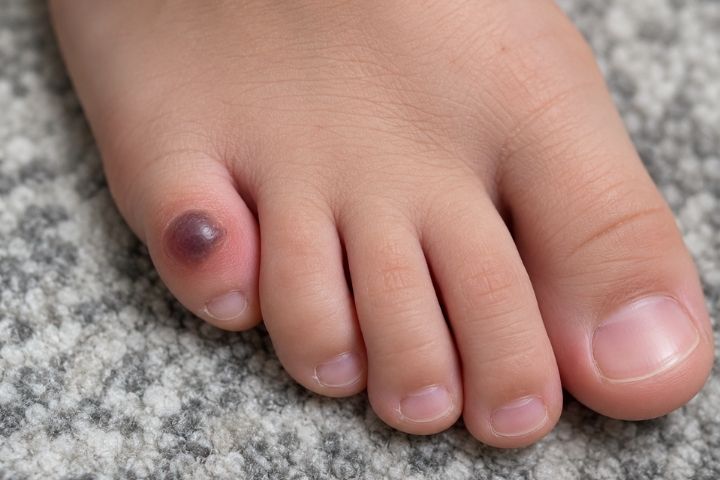
A cryotherapy blister can fill with clear fluid or with blood. A blood blister looks darker, sometimes deep red or purple, and shows up more often on the hands and feet, which tracks with where most plantar and common warts are treated. According to Seattle Children’s Hospital, blood blisters generally need no treatment. You don’t need to drain it, and it isn’t a sign of a bigger problem. It will slowly dry up and peel off over one to two weeks, the same as a clear blister would.
Caring for the Blister at Home
Wash Gently, Then Keep It Dry
Clean the treated area once a day with mild soap and water, then pat it dry rather than rubbing. Skip hydrogen peroxide and rubbing alcohol, both of which can slow the healing process instead of helping it. Keeping the area clean and dry is really the whole job here.
Cover It to Cut Down on Friction
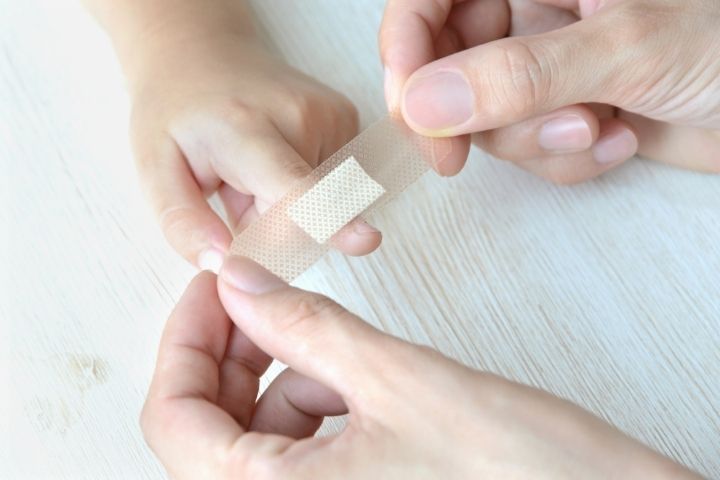
An adhesive bandage over the blister protects it from bumping, rubbing, and accidental tearing, especially on a hand your child uses constantly or a foot that goes into a shoe every day. Loose clothing and roomier shoes and socks for a foot blister also help. A thin layer of petroleum jelly under the bandage is a reasonable option too, and your pediatrician can confirm it’s a good fit for your child’s spot.
Leave the Blister Intact
This is the part parents most want confirmation on: don’t puncture the blister, don’t drain it at home, and don’t peel back the skin to speed things along, even if it looks tight or uncomfortable. Johns Hopkins Medicine advises against bursting or puncturing a child’s blister for this reason: the intact skin is doing protective work while new skin forms underneath. Popping it early just opens the door to irritation and infection that an intact blister was preventing.
If the Blister Breaks on Its Own
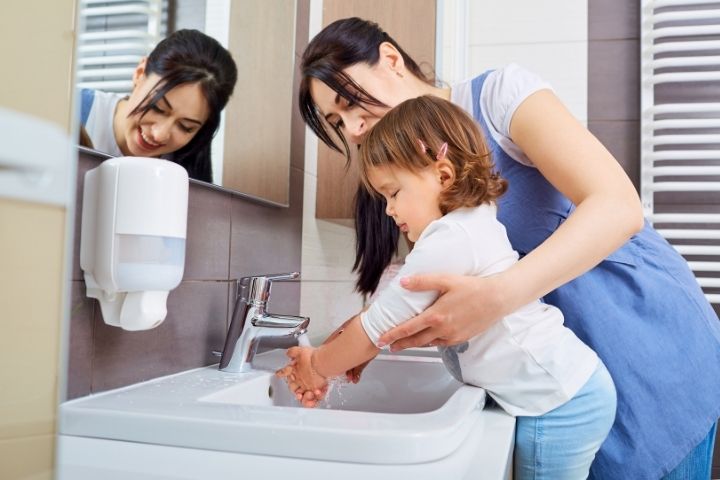
Sometimes a blister breaks before it’s ready, usually from ordinary friction on an active hand or foot. If that happens, clean the area gently with mild soap and water and cover it with a fresh bandage. Clean the area to prevent the spread of the wart virus, and avoid direct contact with the fluid, since it may carry the human papillomavirus that causes the wart.
Build that habit into your household routine for a few days. Wash your hands before and after every dressing change, keep other kids from handling the bandage, and skip sharing towels with the treated area until it’s healed. Any loose skin left behind can stay in place as a natural covering while new skin forms underneath. There’s no need to remove it.
What Normal Healing Looks Like

In the days after treatment, the blister typically dries out and forms a scab, or crust, over the treated skin. According to the AAD, the treated area usually heals within about a week, sometimes longer depending on the wart’s size, its location, and how your child’s skin responds. Leave the scab to fall off naturally. Picking at it raises the odds of scarring and reinfection. The wart may fall off along with the scab, which is a good sign, though it doesn’t necessarily mean treatment is finished.
When to Call Your Child’s Pediatrician

Most cryotherapy blisters heal without any drama. But a handful of changes cross the line from normal healing into something your pediatrician should look at, rather than something to watch and wait on. Call if you notice:
- Redness or swelling that spreads out beyond the treated area instead of staying contained
- Warmth at the treatment site that increases instead of fading
- Pus, cloudy drainage, or an unpleasant smell coming from the blister
- A fever
- Pain that gets worse after the first few days instead of gradually easing
- A blister large enough, or painful enough, to interfere with your child’s walking or using their hand
These can be signs of a secondary infection, but a guess from home isn’t a substitute for an actual look. If you’re unsure whether what you’re seeing falls inside the normal range, Pediatric Associates of Dallas’ 24-hour nurse line is there for questions like this, day or night. It’s also worth checking with your pediatrician before giving acetaminophen or ibuprofen for discomfort, since dosing in children is weight-based.
What Comes After the Blister Heals

Once healed, the treated skin may look a little lighter or darker than the skin around it for a while, a recognized possibility after cryotherapy that’s more noticeable on darker skin tones and doesn’t mean anything went wrong. A wart often needs more than one cryotherapy session before it clears completely, so a second or third round isn’t a sign the first treatment failed. If you’re curious about what a typical cryotherapy treatment plan looks like from start to finish, it’s worth a read before your child’s next visit. Your pediatrician will usually want a follow-up appointment to check how the area has healed.
Common Questions Parents Ask

Should I pop the blister after cryotherapy?
No. Leave it intact. The skin over it protects the healing tissue underneath, and puncturing it at home raises the risk of irritation and infection. If it’s large or painful enough to worry you, call your pediatrician instead of handling it yourself.
Why is the blister filled with blood instead of clear fluid?
Blood blisters are common after cryotherapy, especially on the hands and feet, and they aren’t a sign of a bigger problem. They heal the same way clear blisters do, drying and peeling off over roughly one to two weeks.
How long does it take for the blister to go away?
Most treated areas heal in about a week, though larger warts and spots on the hands and feet can take a little longer. The blister dries into a scab that falls off naturally as the skin underneath finishes healing.
Can my child swim while the blister heals?
It’s best to hold off on swimming and soaking in a bath until the blister has closed over and scabbed. Prolonged soaking softens the healing skin and can invite irritation. A quick, gentle rinse during regular washing is fine.
What if the blister pops on its own overnight?
Clean the area gently with mild soap and water, cover it with a fresh bandage, and avoid letting anyone touch the fluid directly, since it can carry the wart virus. Wash hands before and after each dressing change.
The Takeaway
A blister after cryotherapy can look alarming the first time you see it, but it’s part of how the treatment works, not a sign of a problem. Keep it clean, keep it covered, leave it alone, and watch for the short list of warning signs that call for a pediatrician instead of a wait-and-see approach. If something about your child’s healing doesn’t sit right with you, the team at Pediatric Associates of Dallas is here to help. Call us during business hours, visit our Dallas or Plano location, or reach out through the 24-hour nurse line overnight.